
About Me
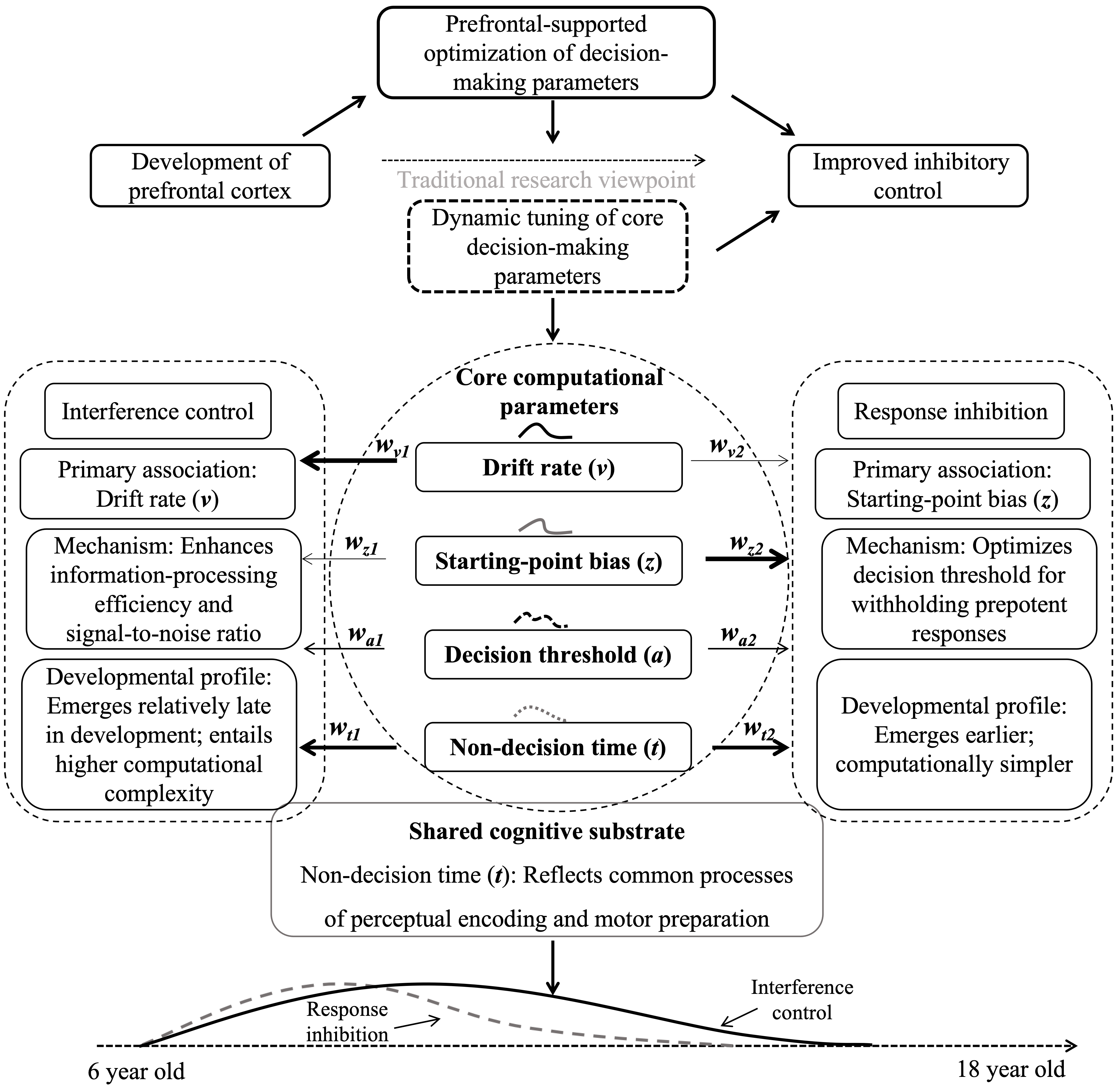
I am a second-year PhD candidate in Psychology at Northwest Normal University. I have published first-author papers in Child Development, Schizophrenia Bulletin, BMC Medicine, Translational Psychiatry, International Journal of Clinical and Health Psychology, and Schizophrenia Research, and I currently lead a provincial-level Graduate Innovation Star research project. My research centers on the computational, developmental, and psychopathological mechanisms of higher-order cognition. Drawing on cognitive-behavioral experiments, functional magnetic resonance imaging (fMRI), and related cognitive neuroscience paradigms—combined with computational modeling, machine learning, and large language models—I aim to elucidate the computational and developmental architecture of executive and higher-order cognitive functions, and to identify cognitive intervention targets in schizophrenia, major depressive disorder, and related psychiatric conditions.
Research Directions:
- Computational neural mechanisms of executive functions
- Brain-inspired cognitive modeling with large language models
- Computational mechanisms of cognitive impairment in schizophrenia and depression
Email: tyzhang9804@gmail.com
Research Publications
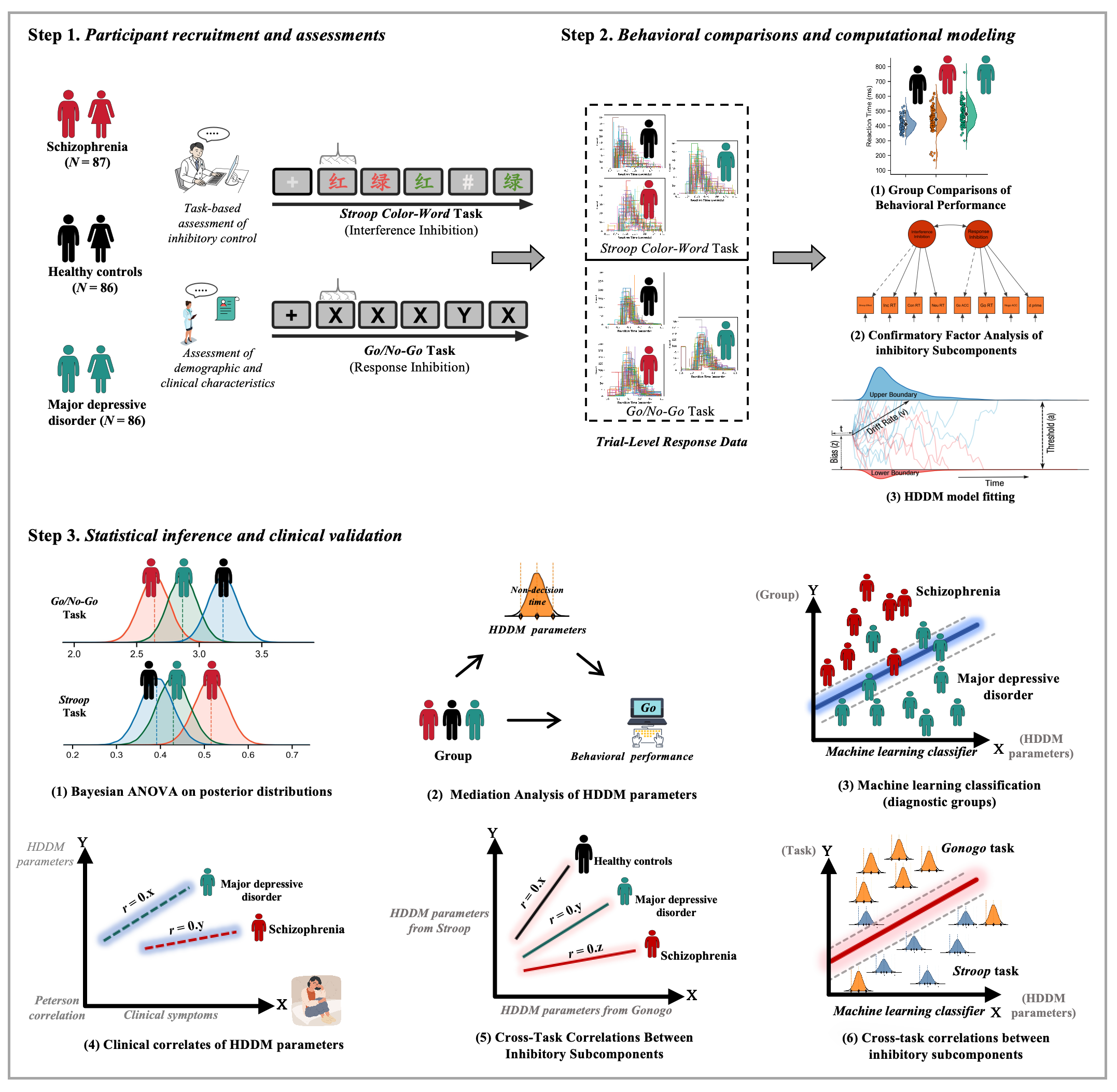
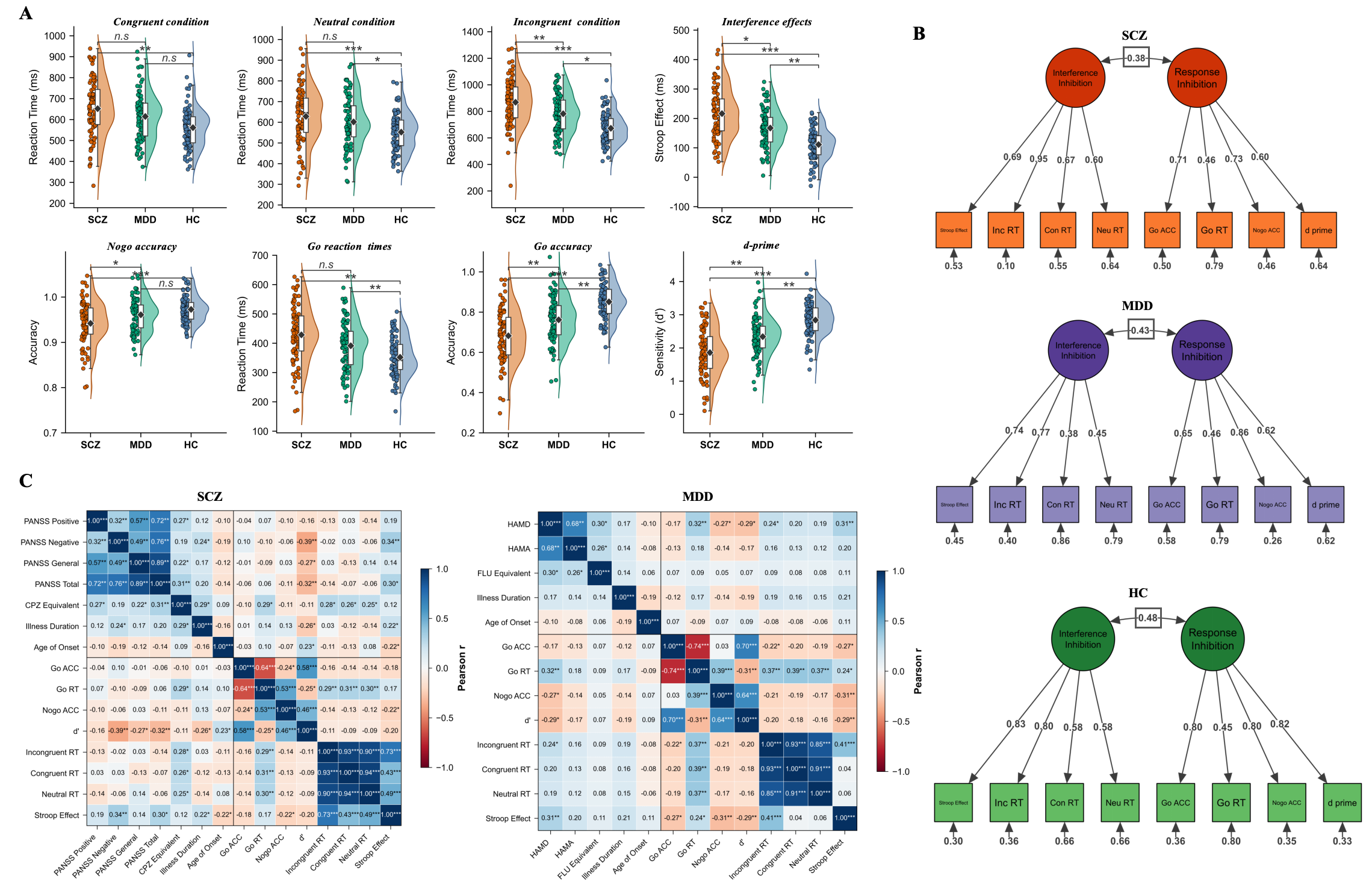
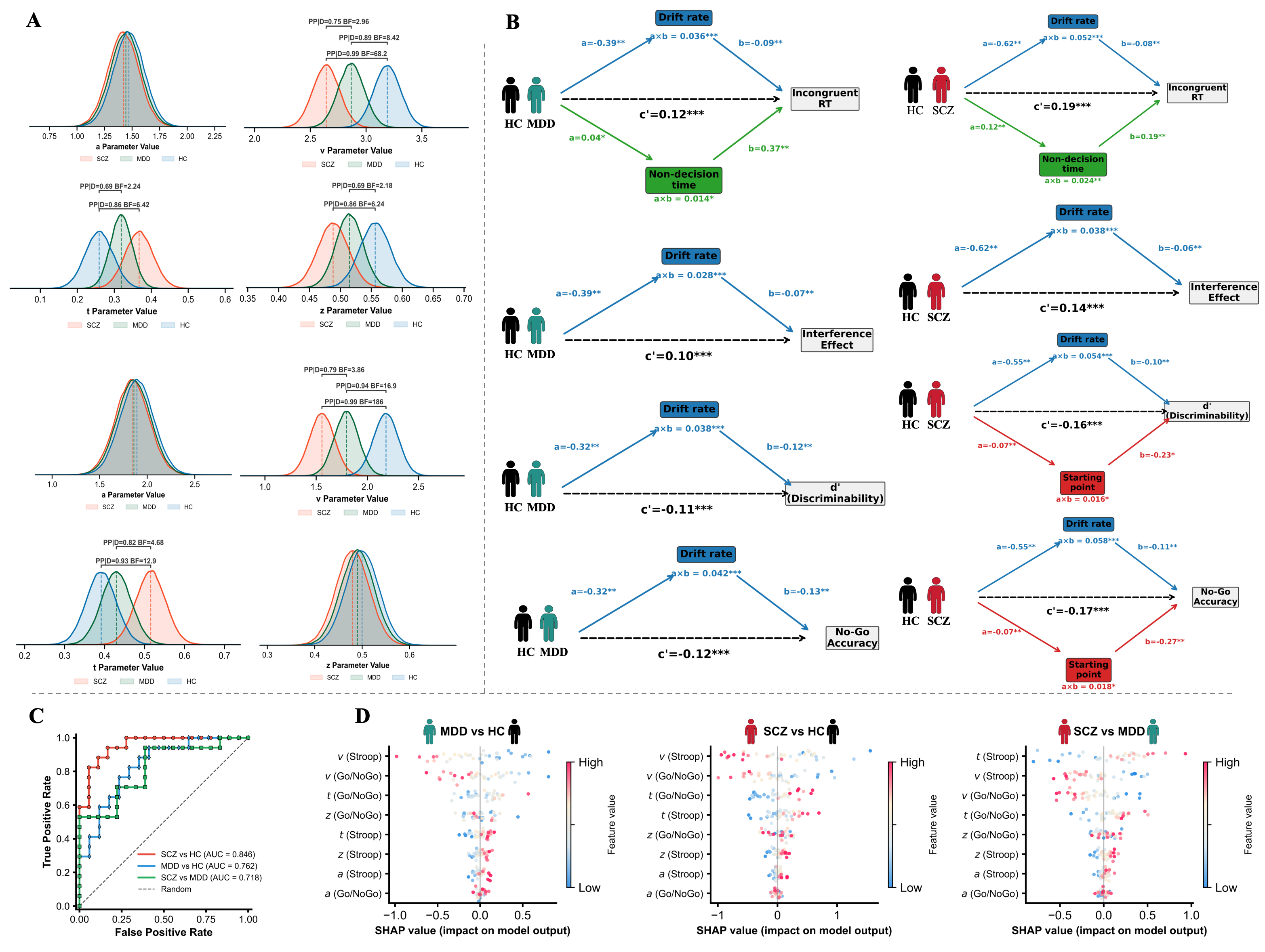
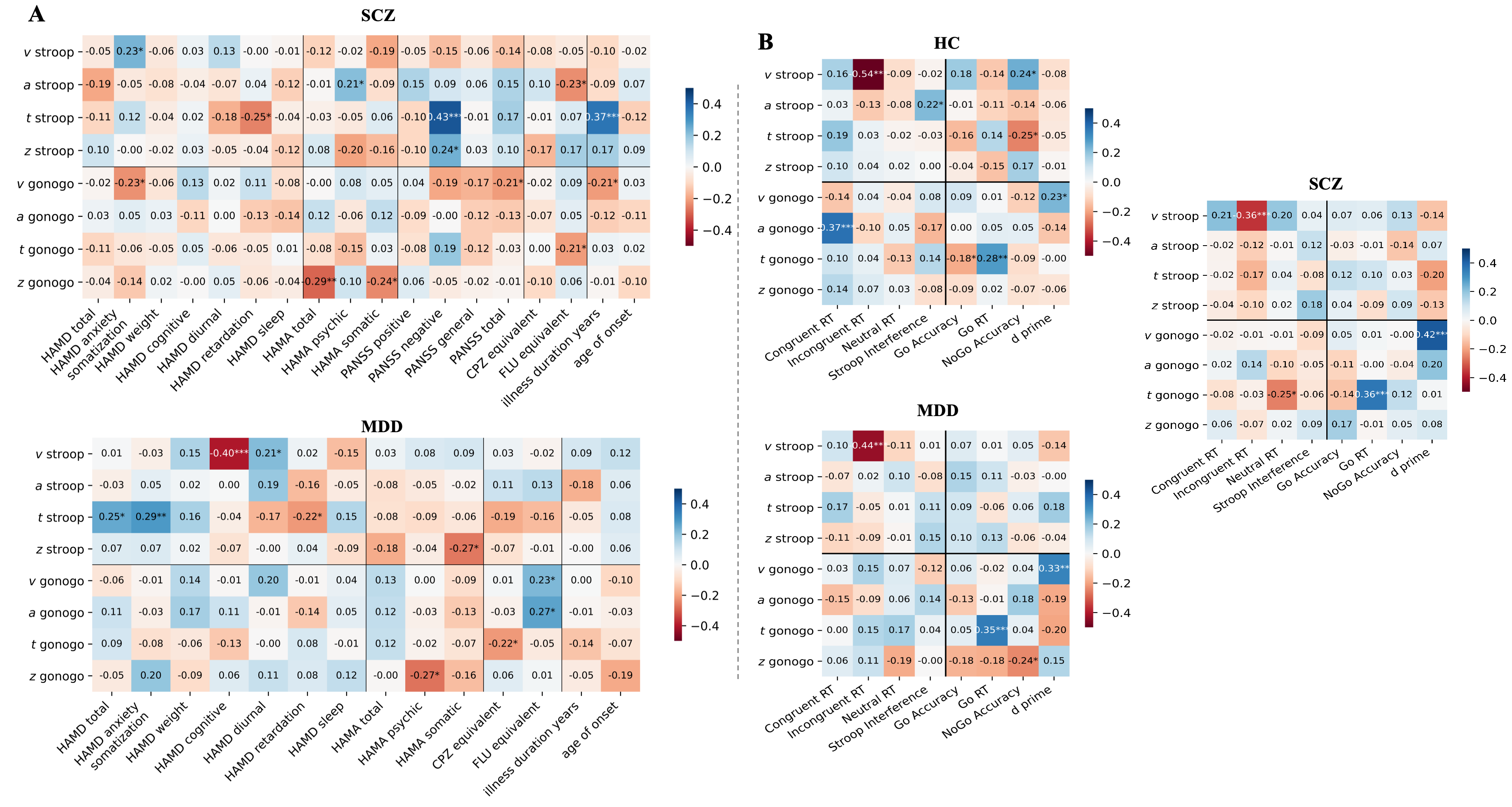
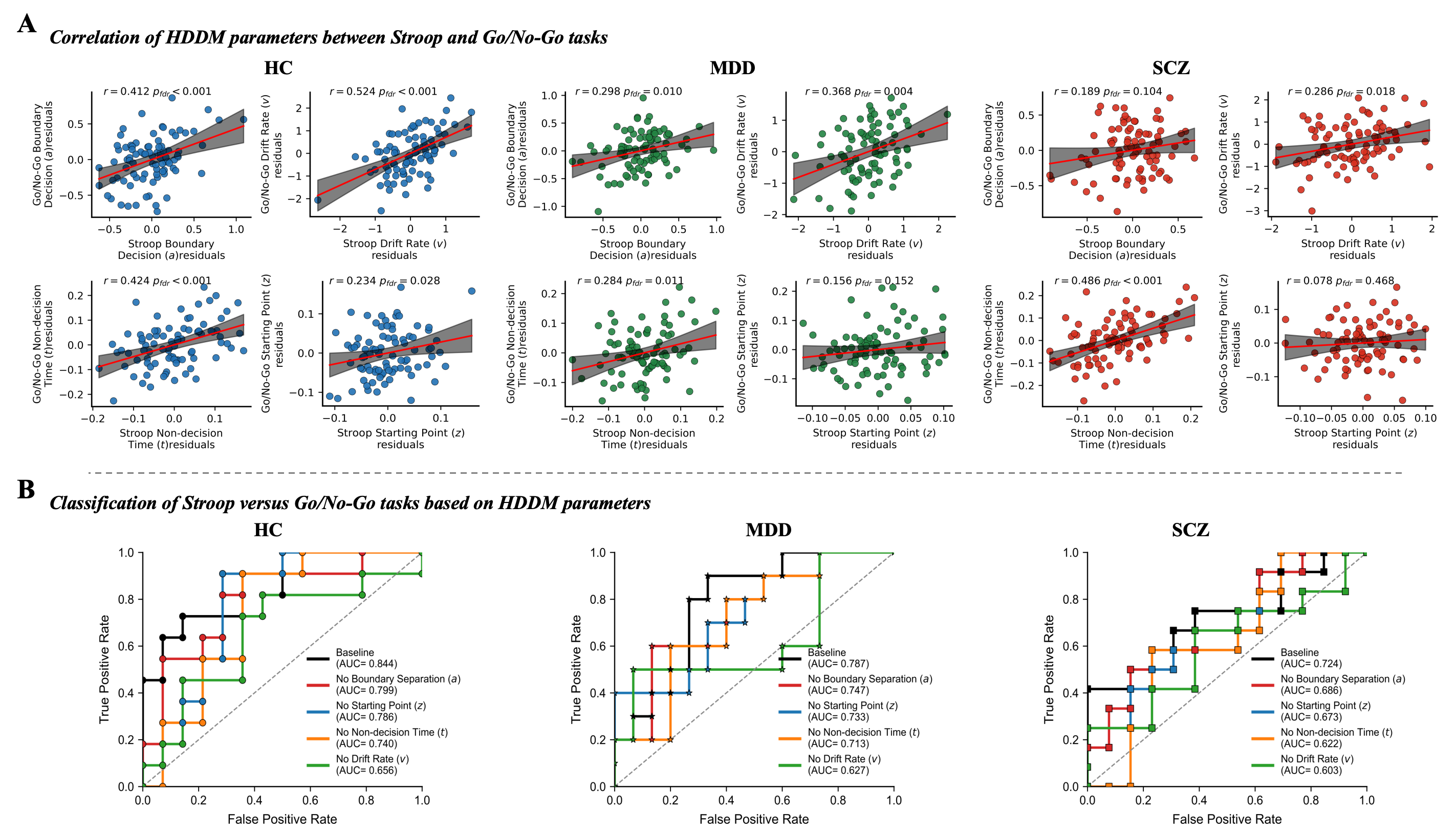
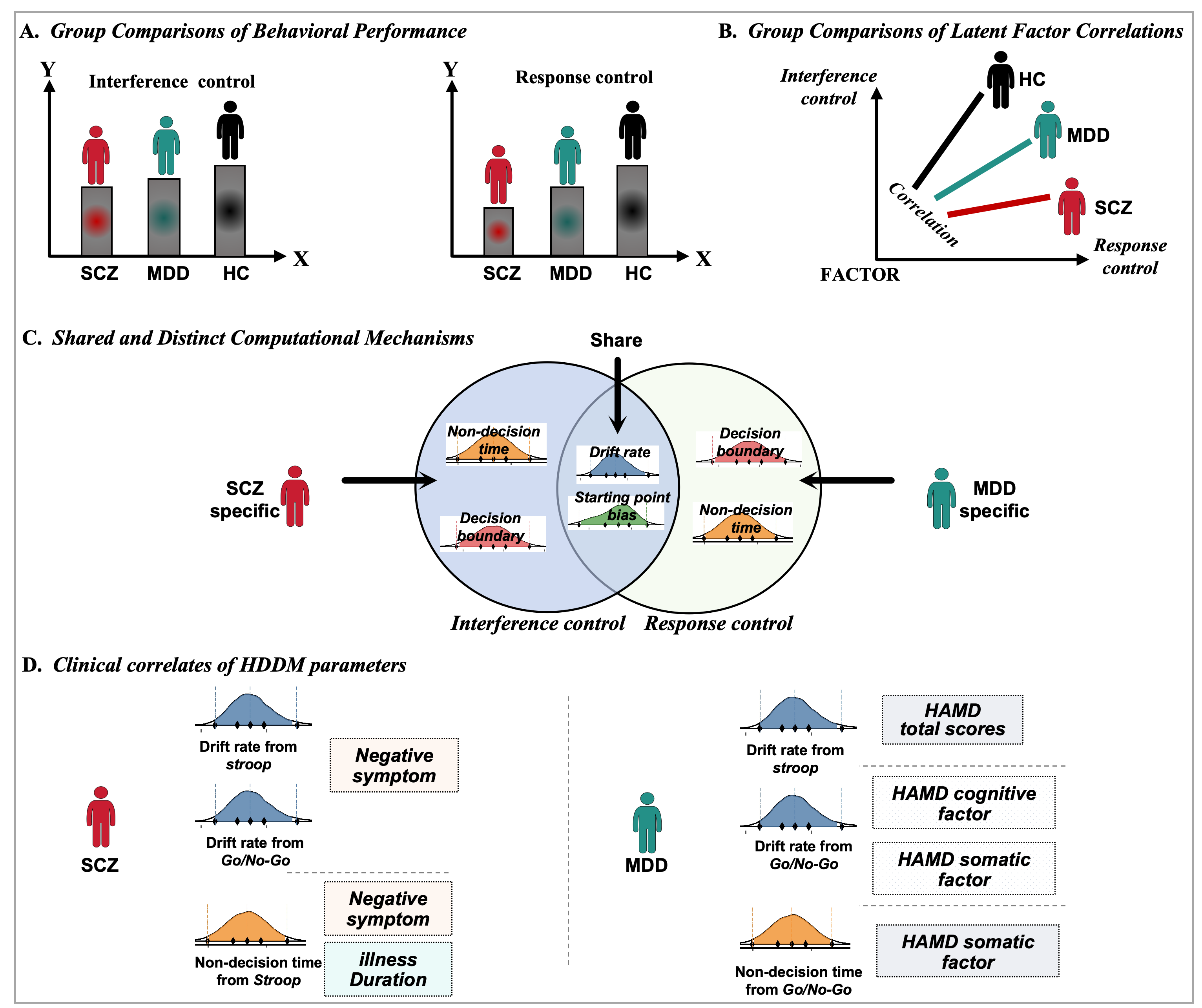
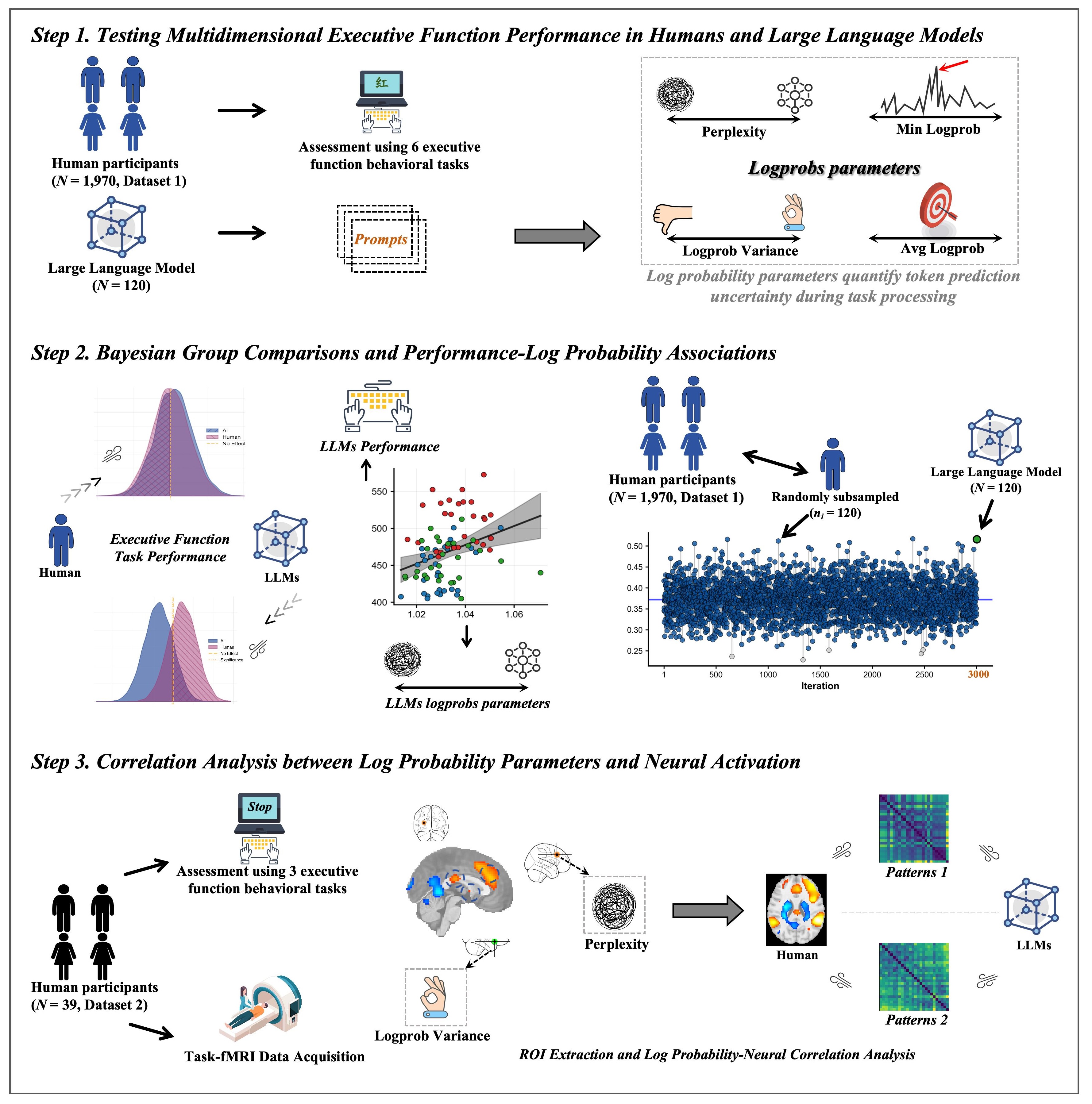
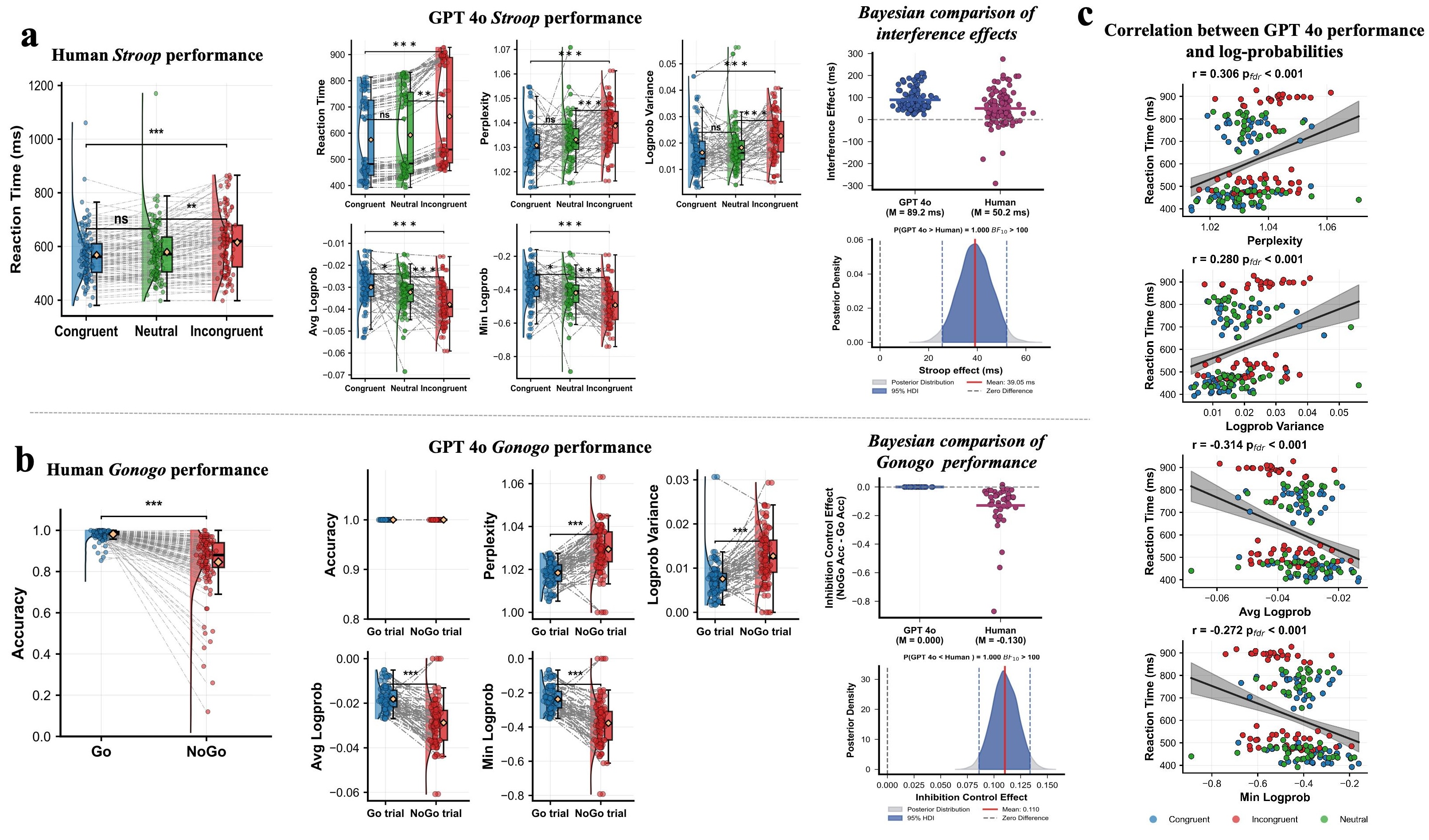
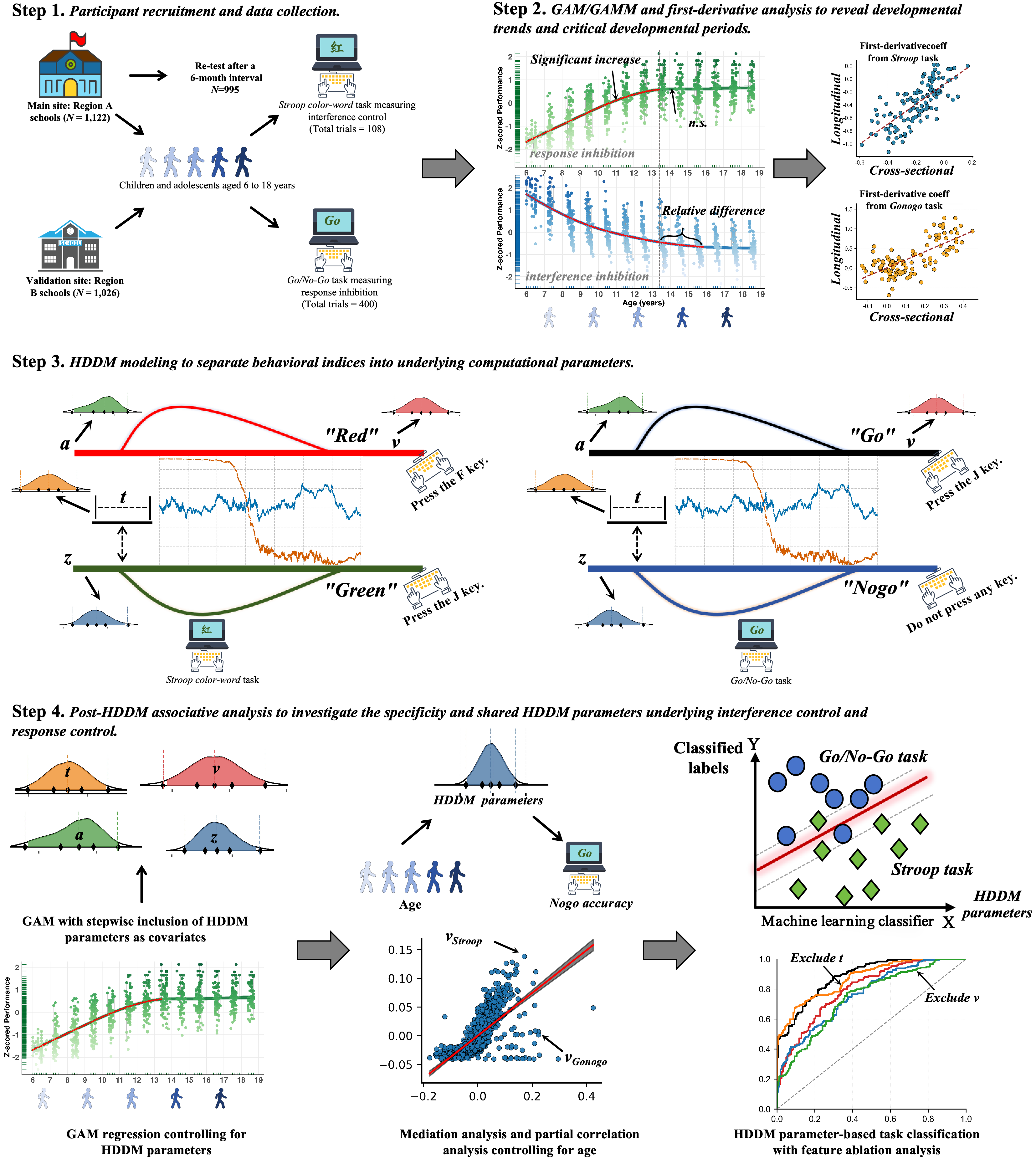
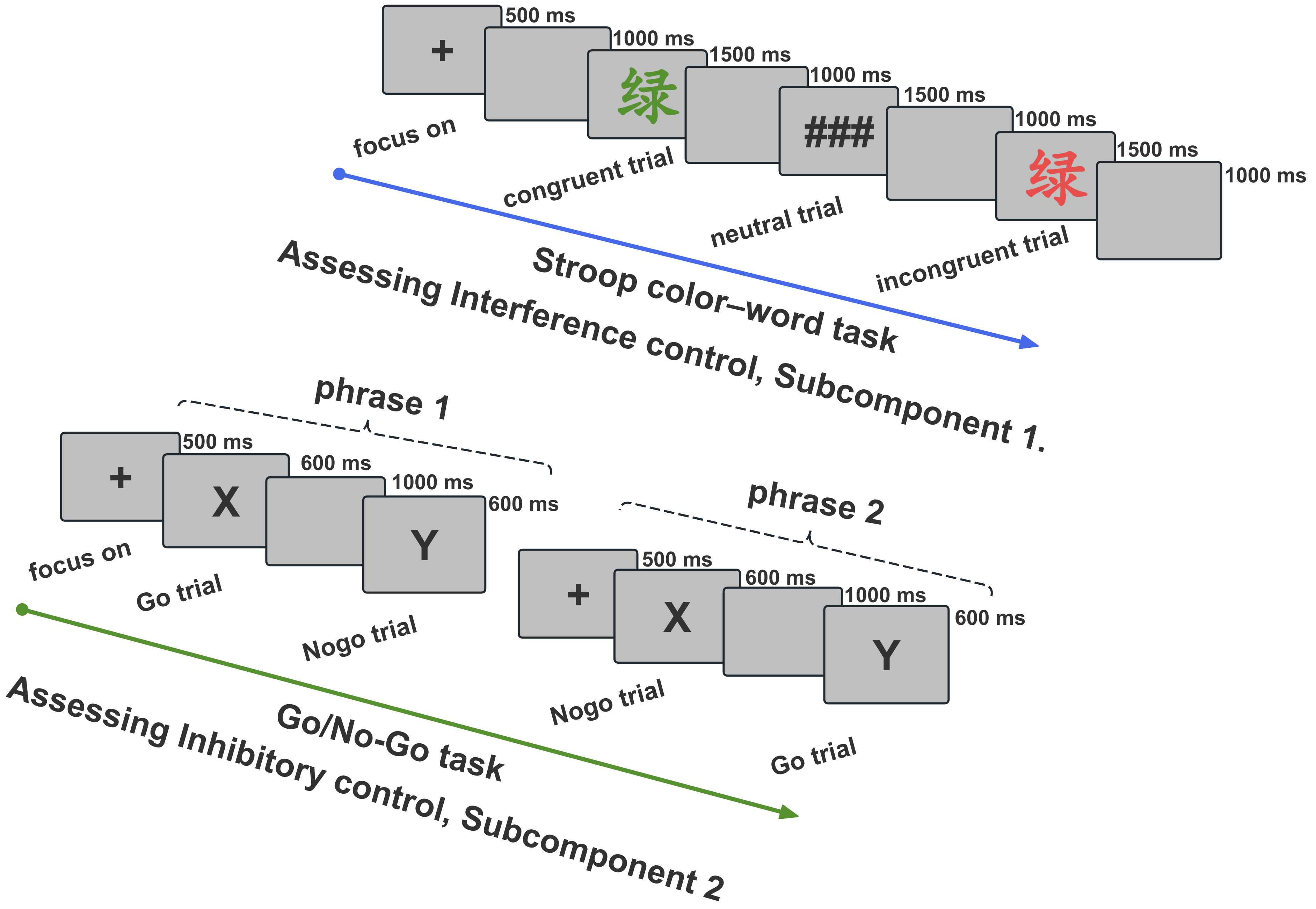
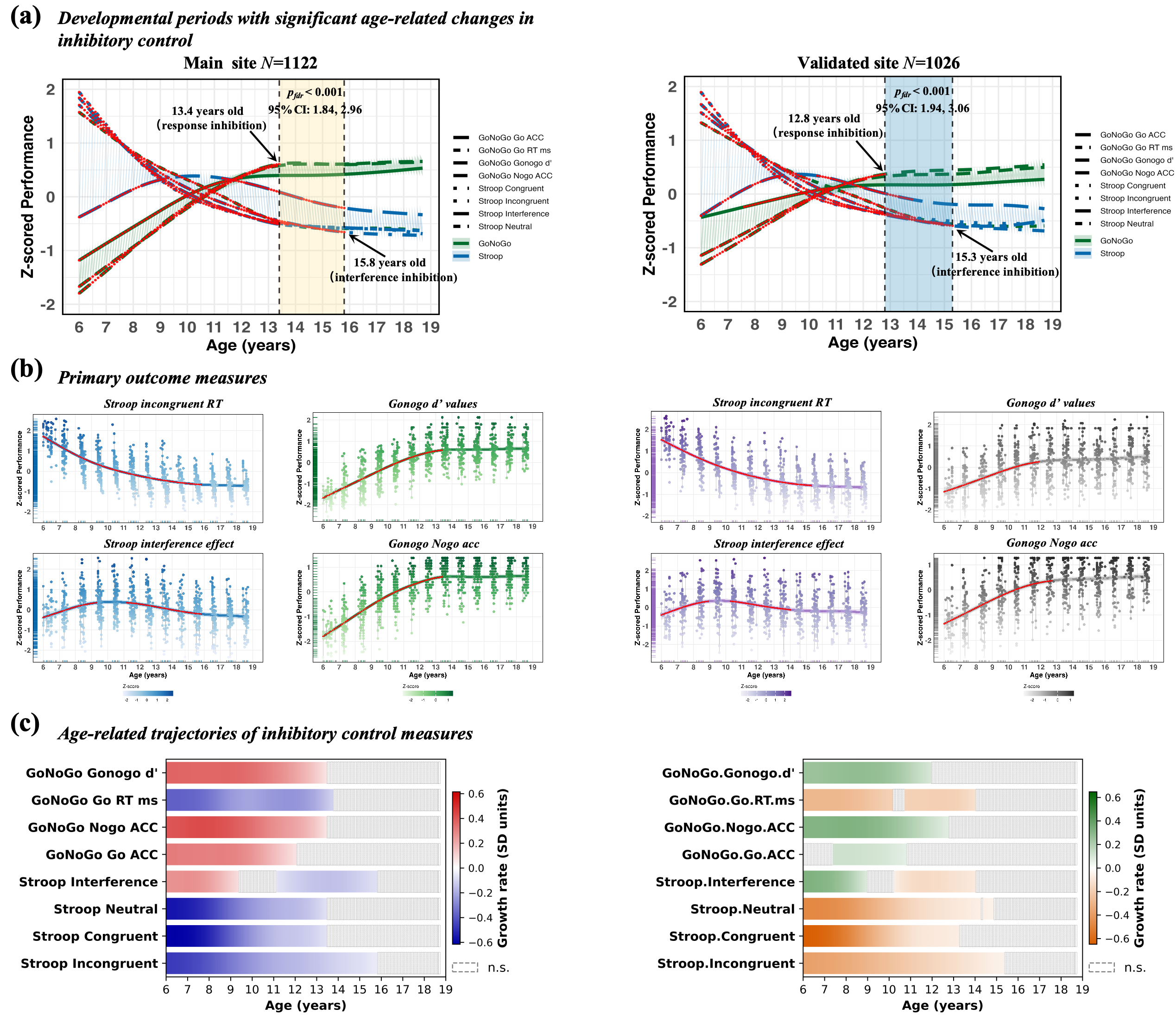
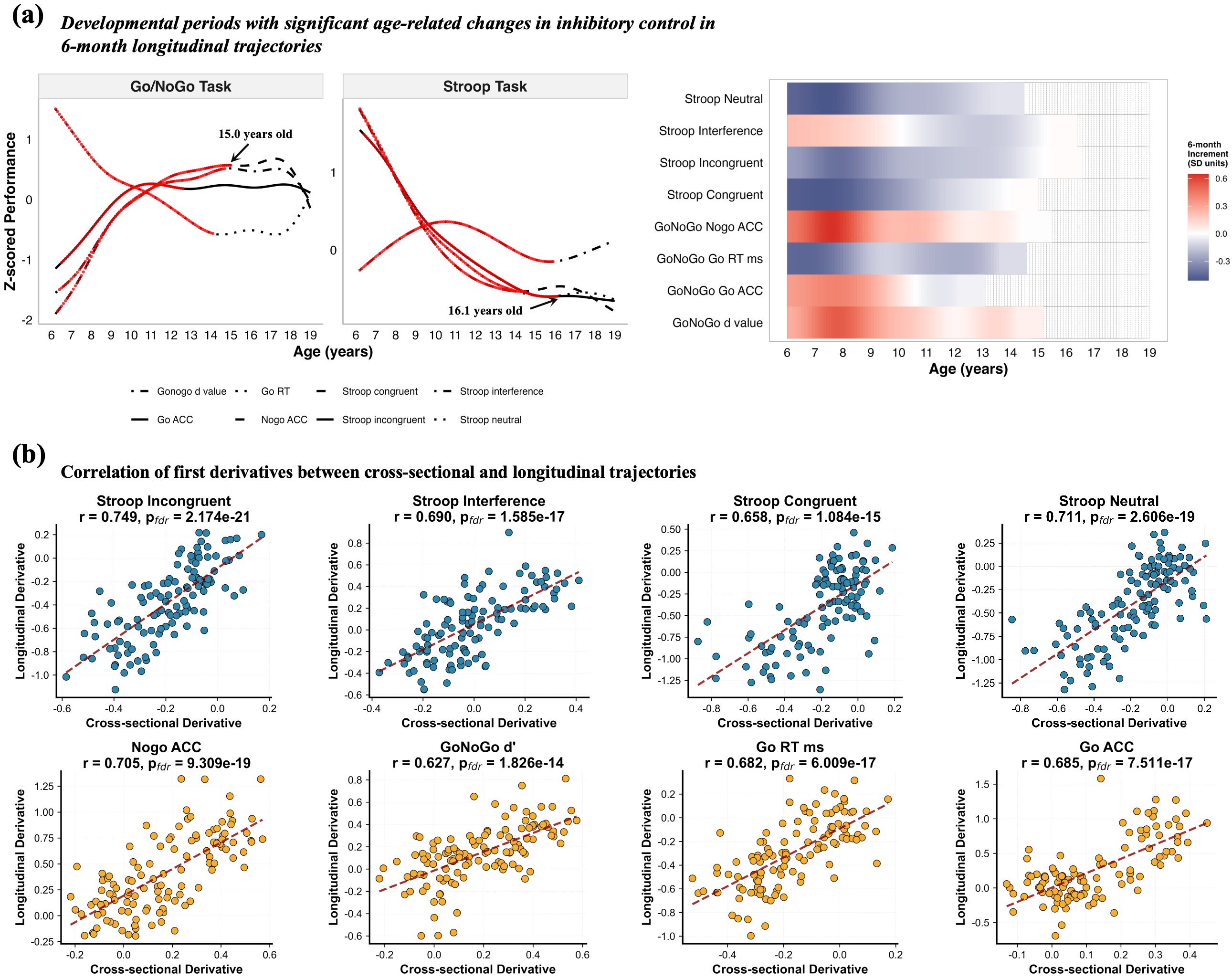
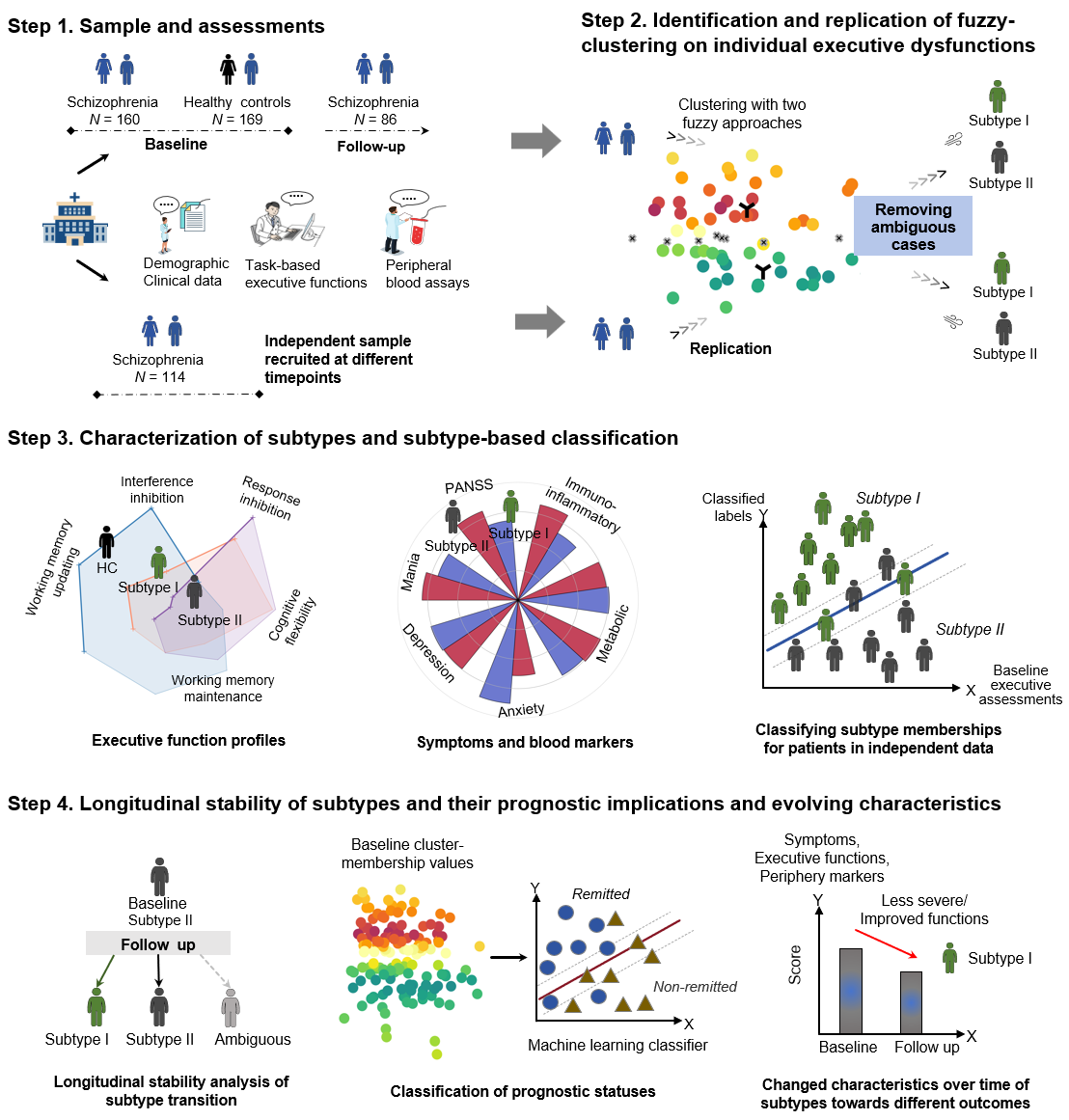
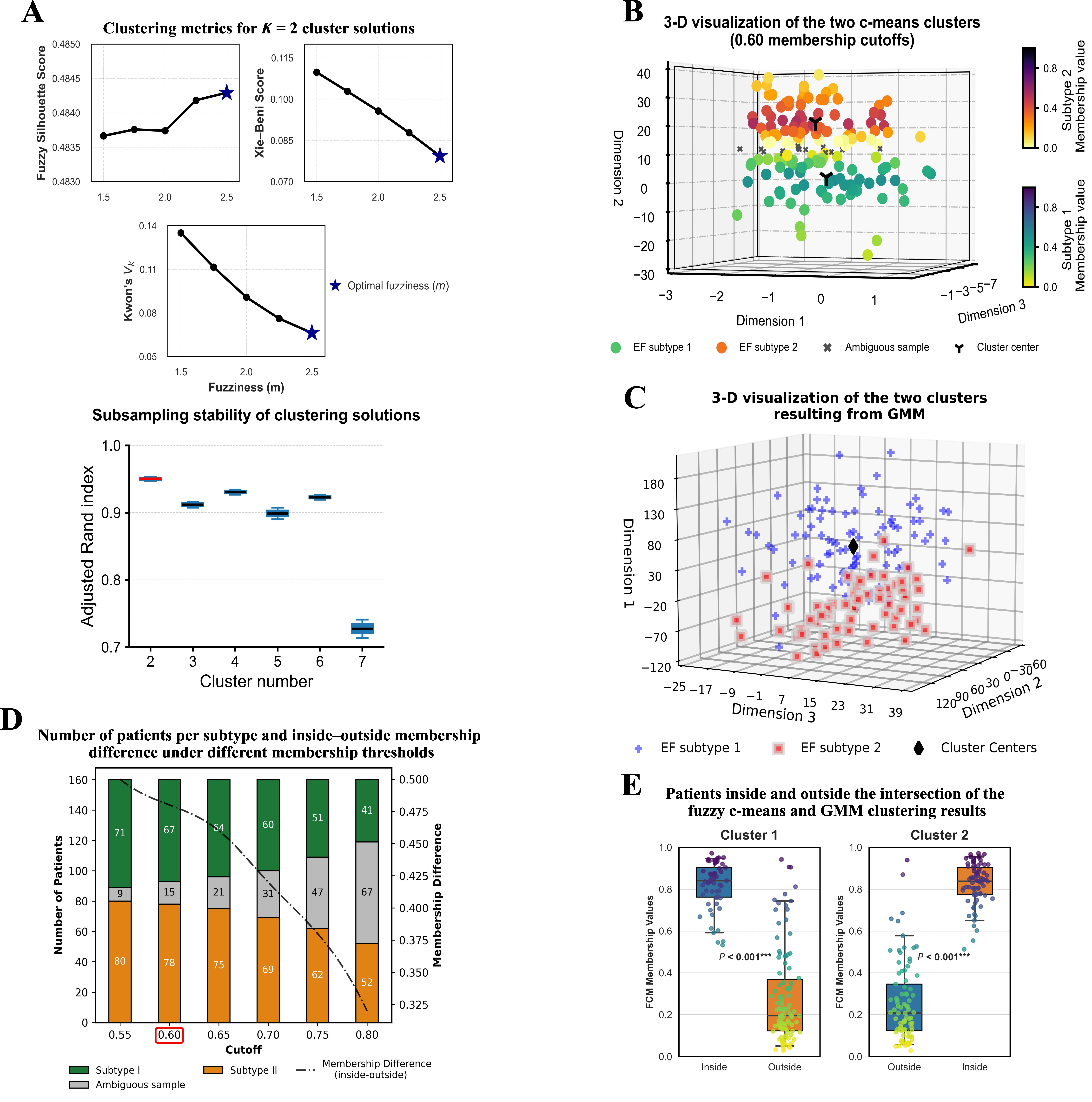
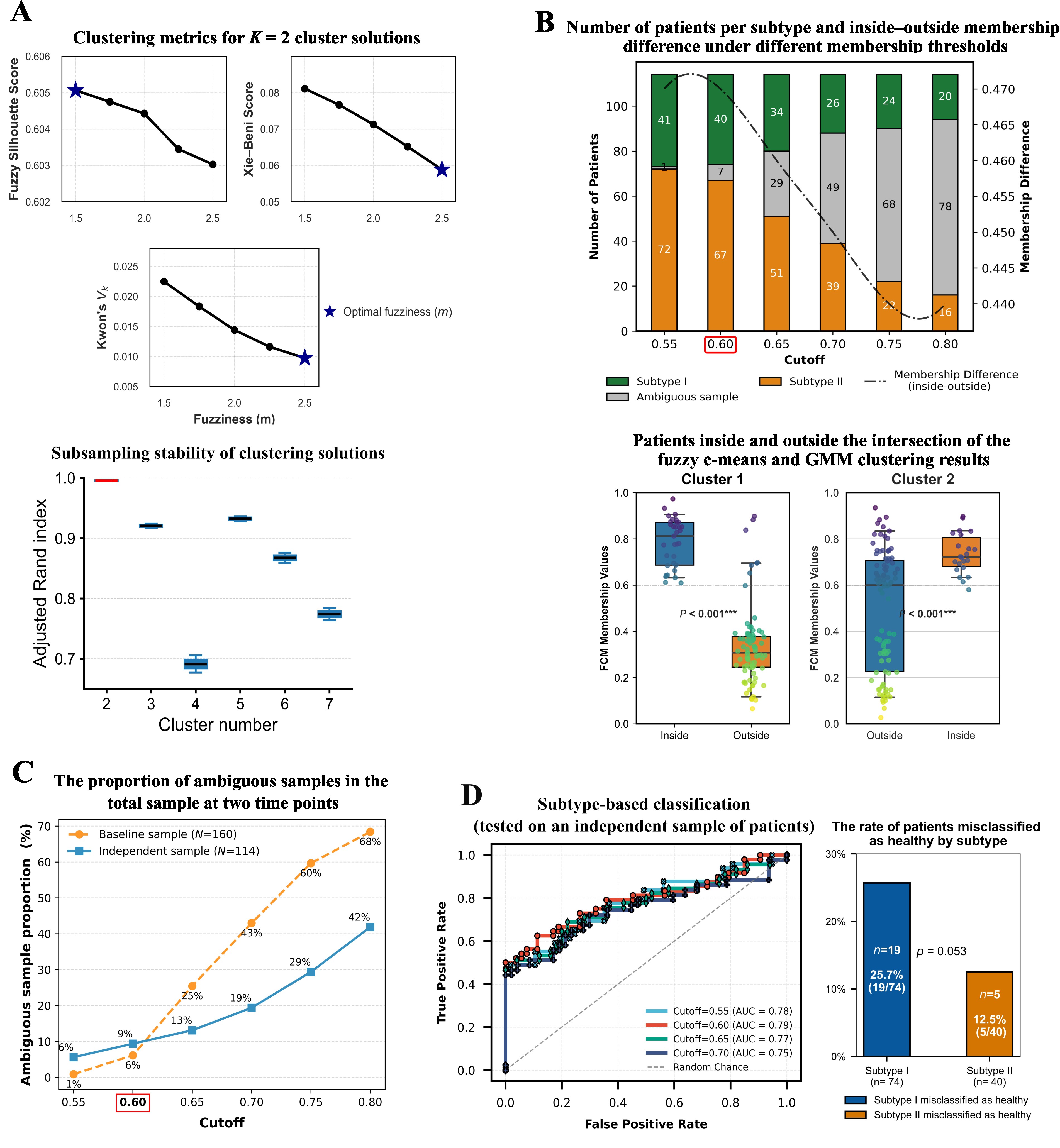
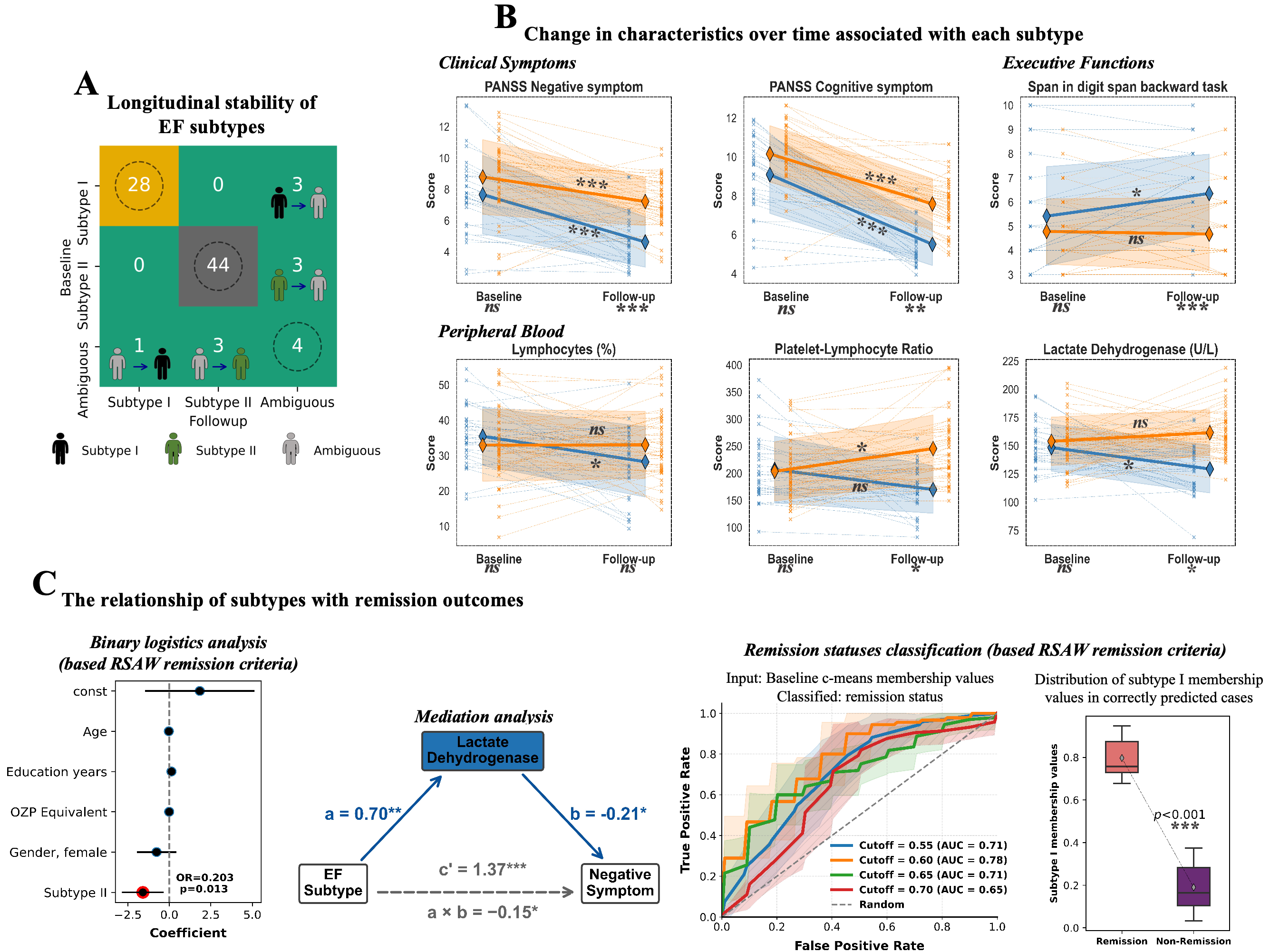
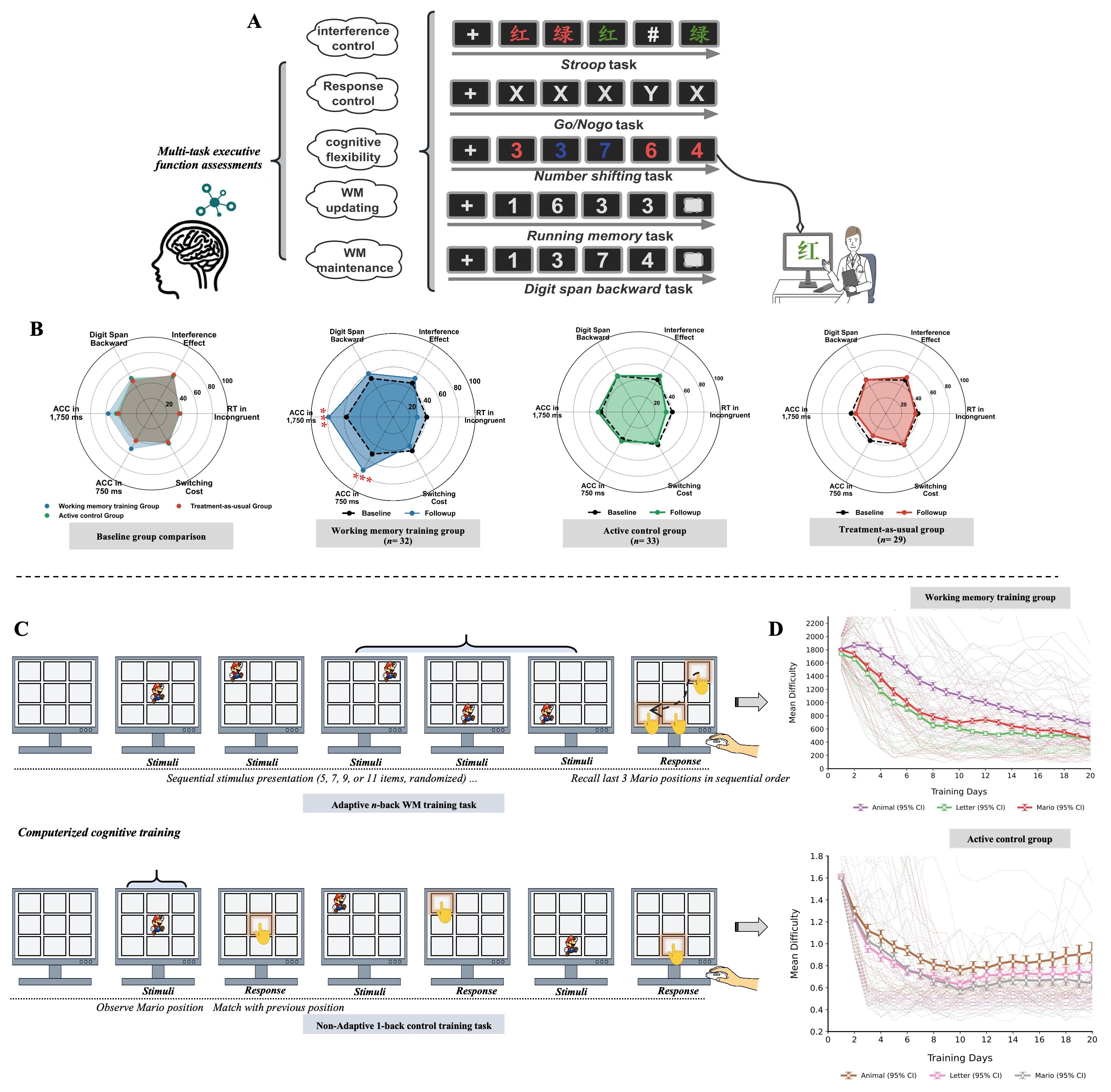
Methods: Three EF dimensions (inhibitory control, working memory, cognitive flexibility) were assessed in the main sample (N=329), its follow-up subset, and an independently "recurring local validation" patient sample (N=114). Fuzzy clustering was applied to baseline EF assessments to discover and validate the core subtypes after excluding cluster-ambiguous cases in the main and independent samples, respectively. Subtype-based classification trained on the main sample was then tested in the independent sample. Importantly, the stability of these subtypes and their remission statuses, along with associated longitudinal changes in clinical and biological factors, were evaluated, and baseline subtype memberships were also used to predict outcomes.
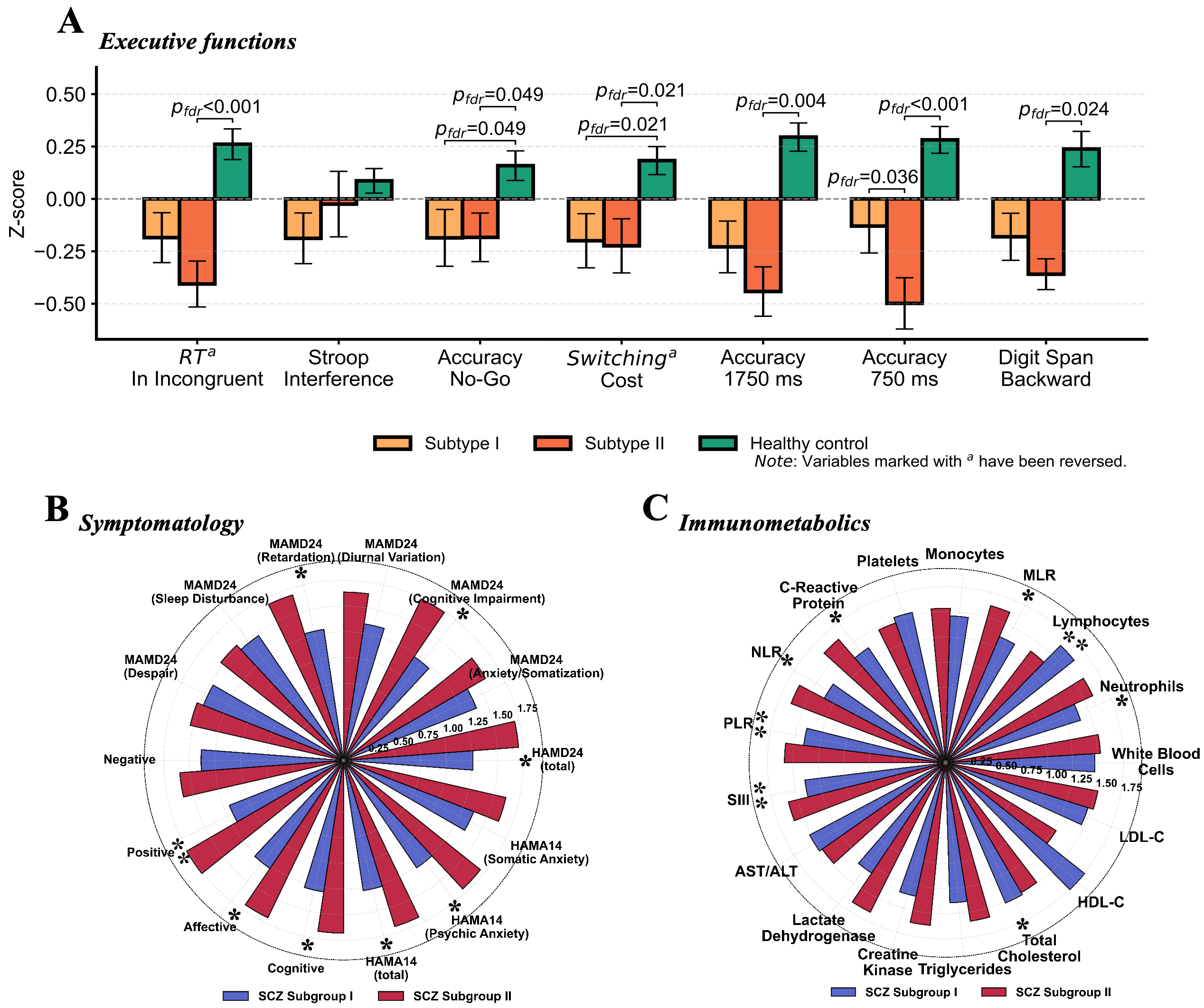
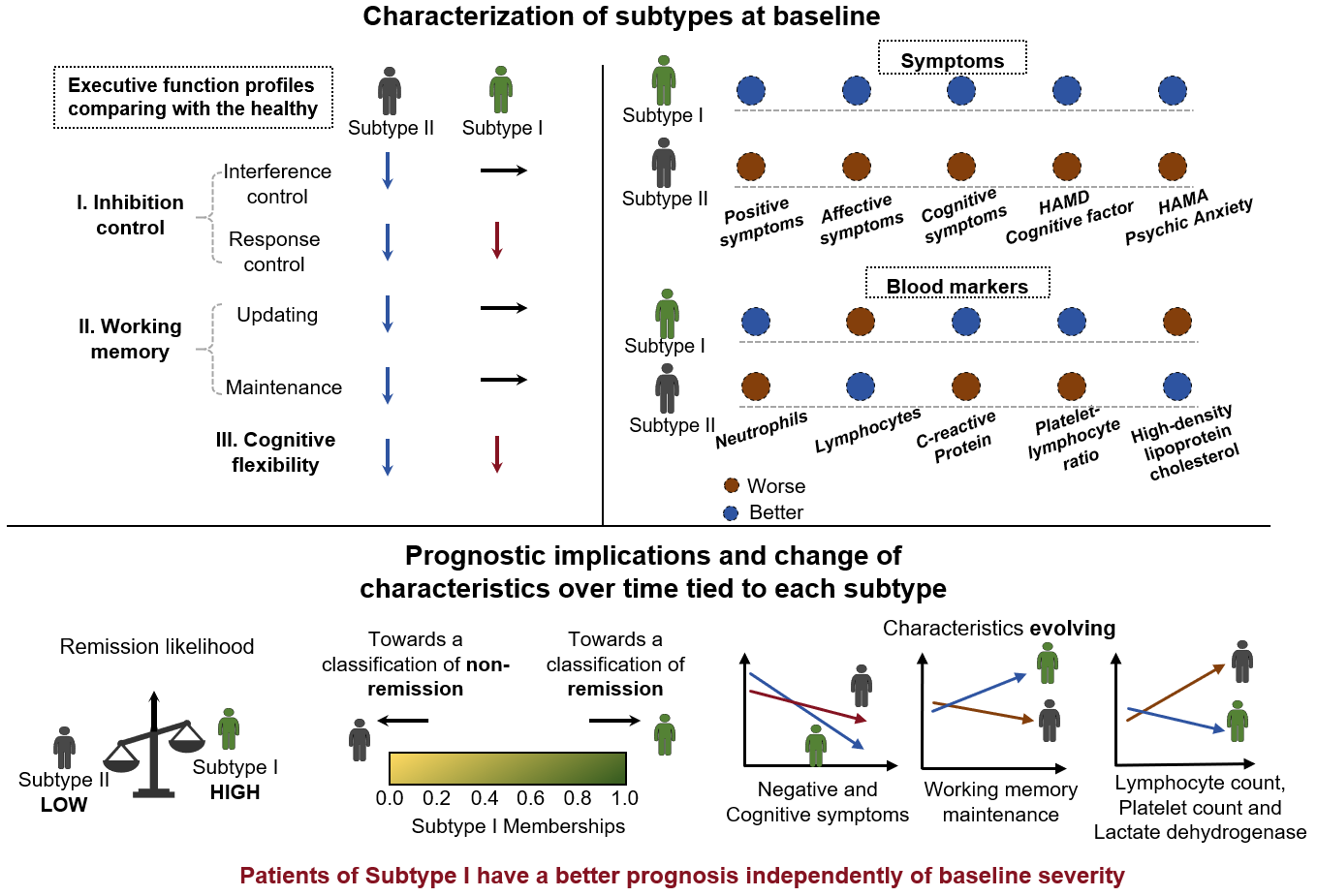
Results: Two longitudinally stable, independently validated core EF subtypes were identified, with significantly variable baseline positive, affective, and cognitive symptoms; working memory updating functioning; and peripheral inflammatory and metabolic levels. This two-subtype differentiation allowed an accurate classification of novel patients' subtype memberships and patients' remission statuses not due to overall severity at intake. Remitted patients experienced significantly greater reductions in negative and cognitive symptoms, improved working memory maintenance, lower peripheral inflammatory levels, and more-superior metabolic functions over time.
Conclusions: EF subtyping successfully captured the symptomatic, biochemical, and prognostic variations in individuals with schizophrenia, which could help to stratify patients with this disorder for targeted treatments.
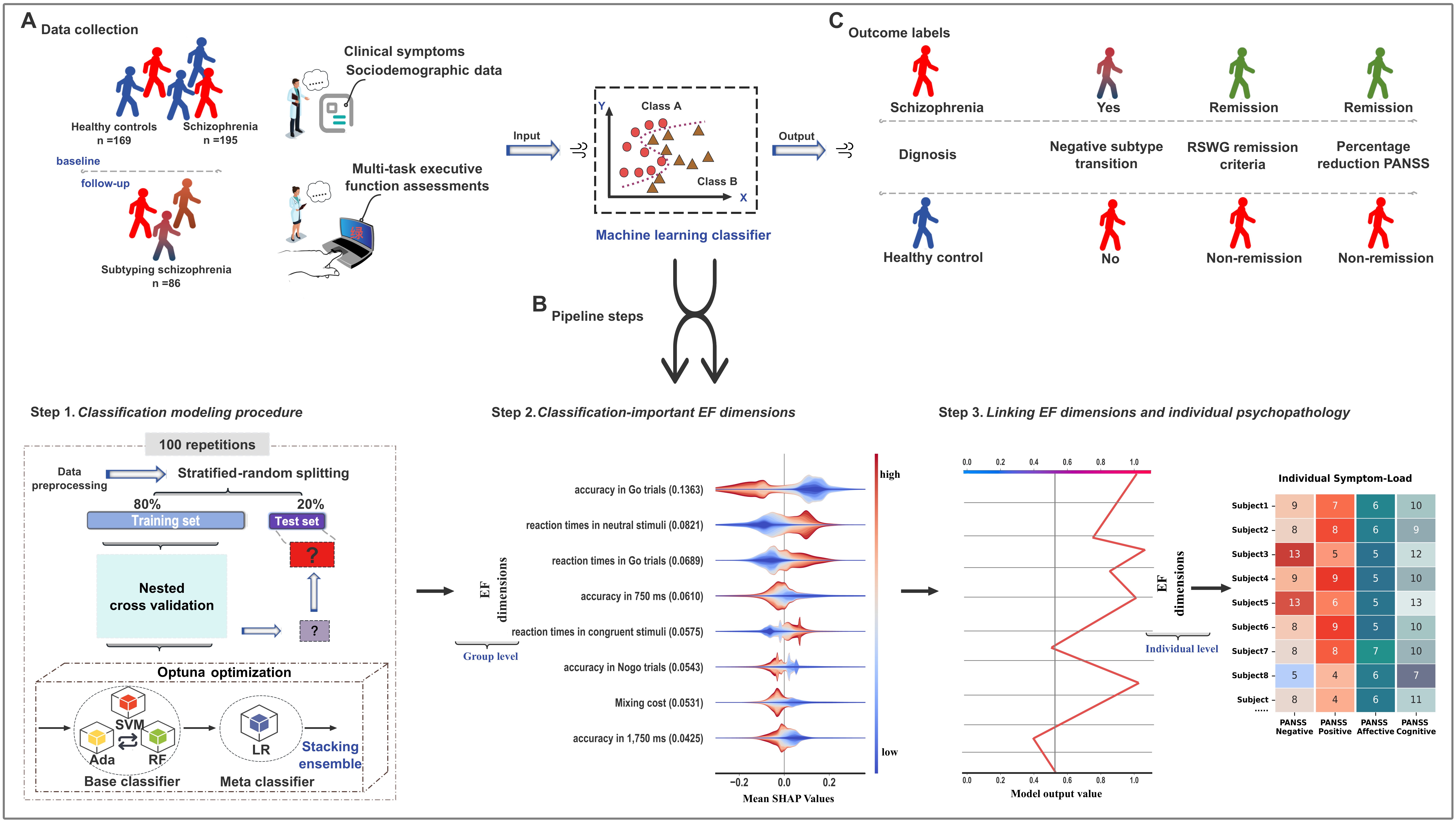
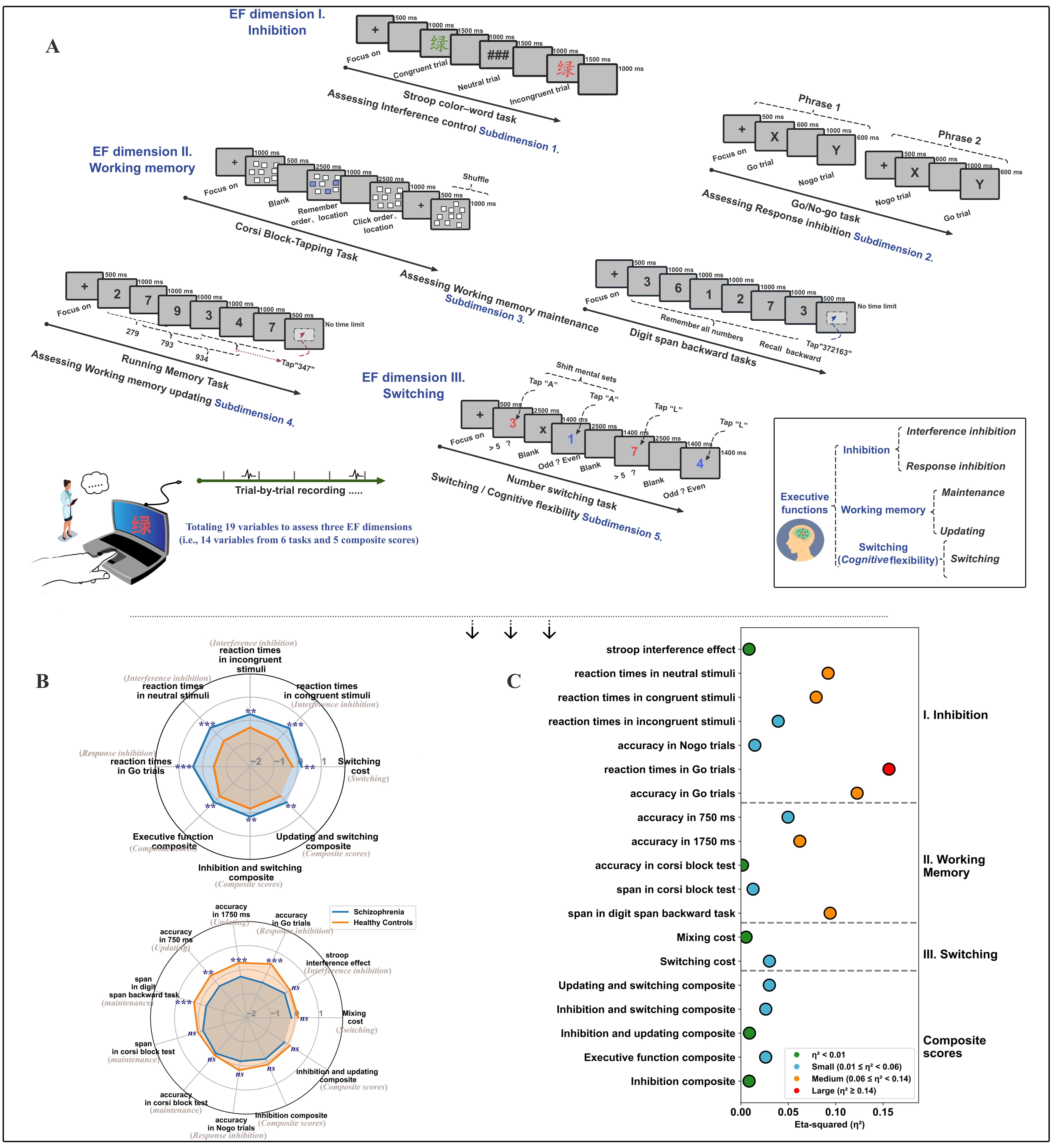
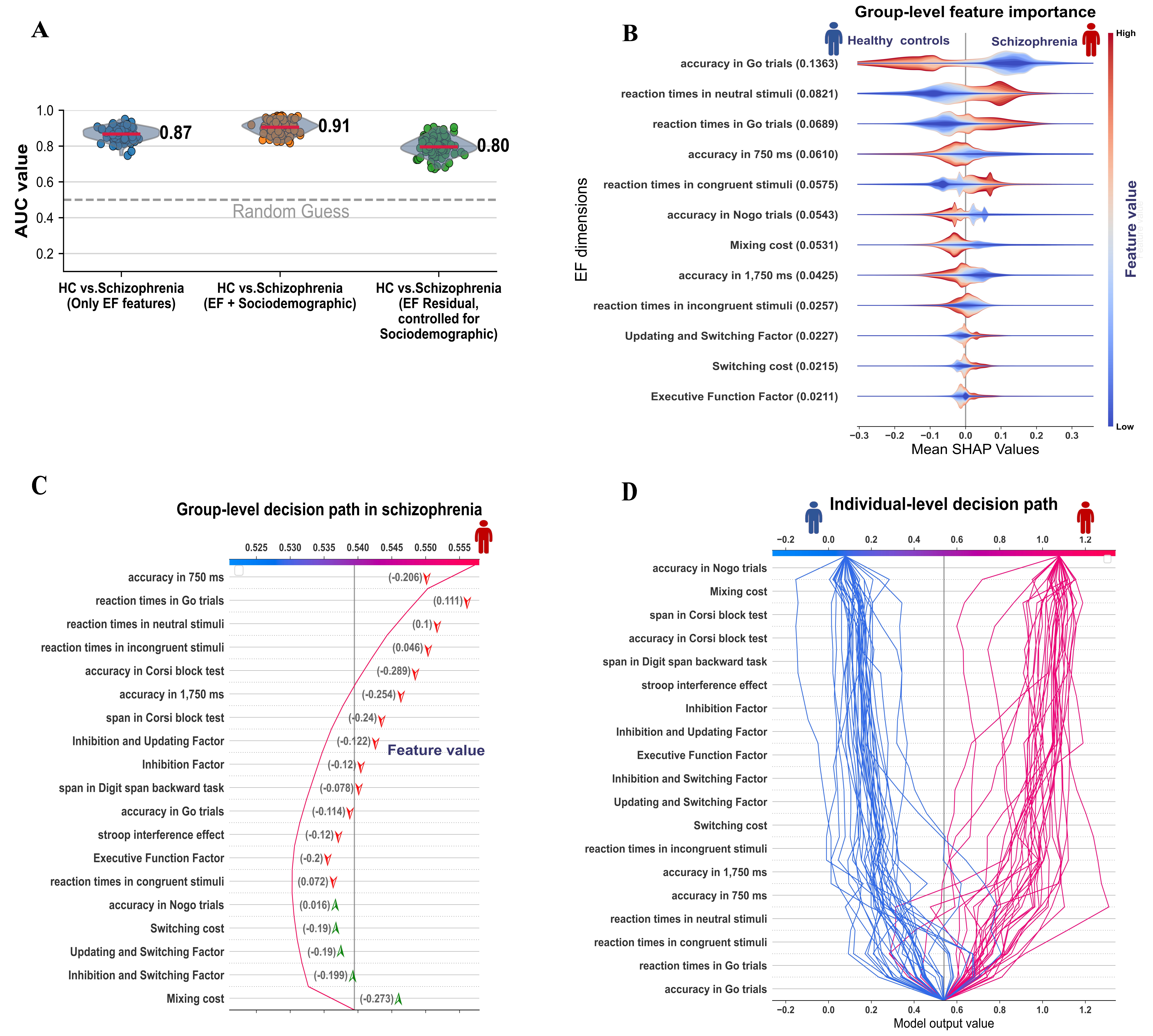
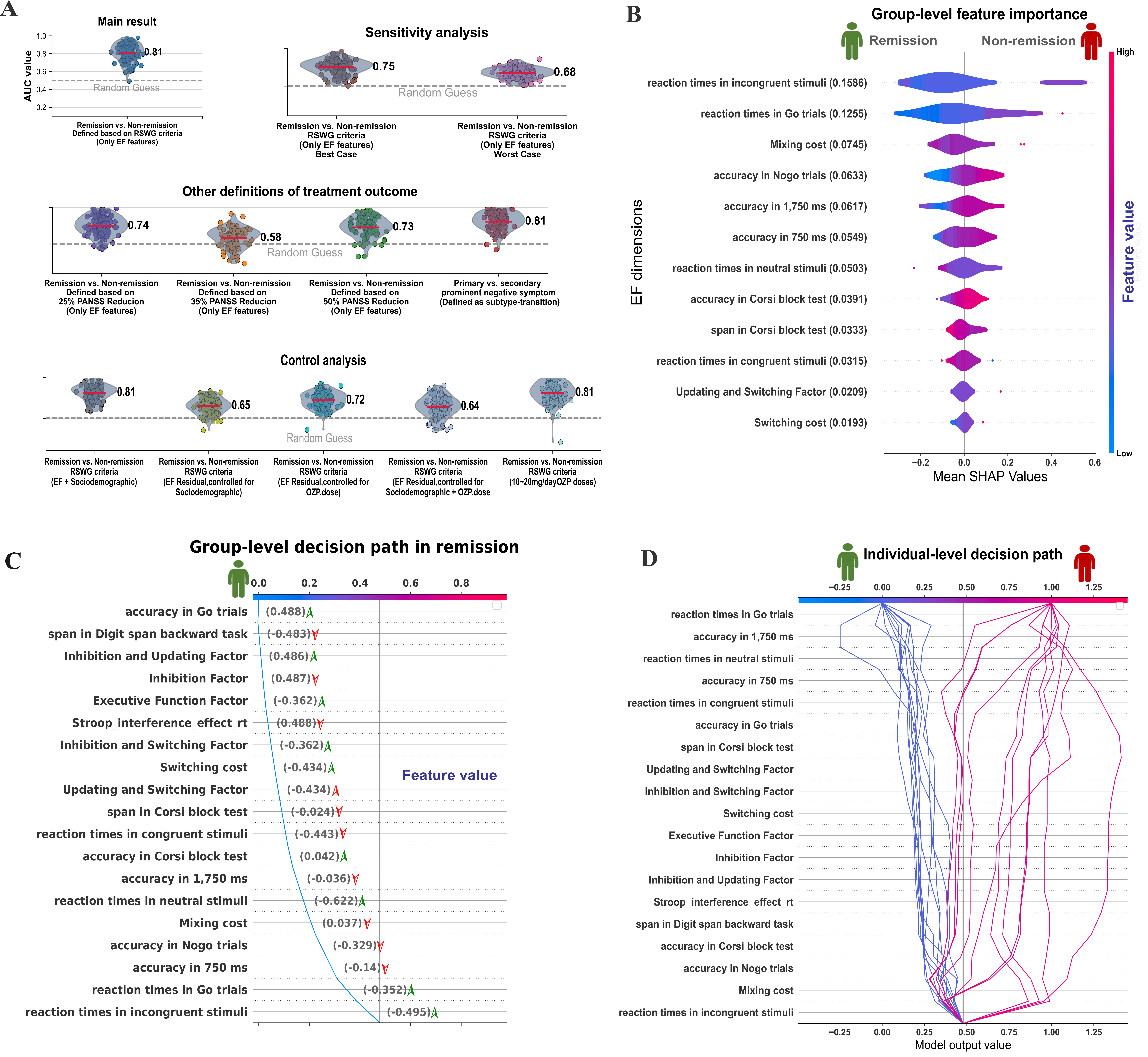
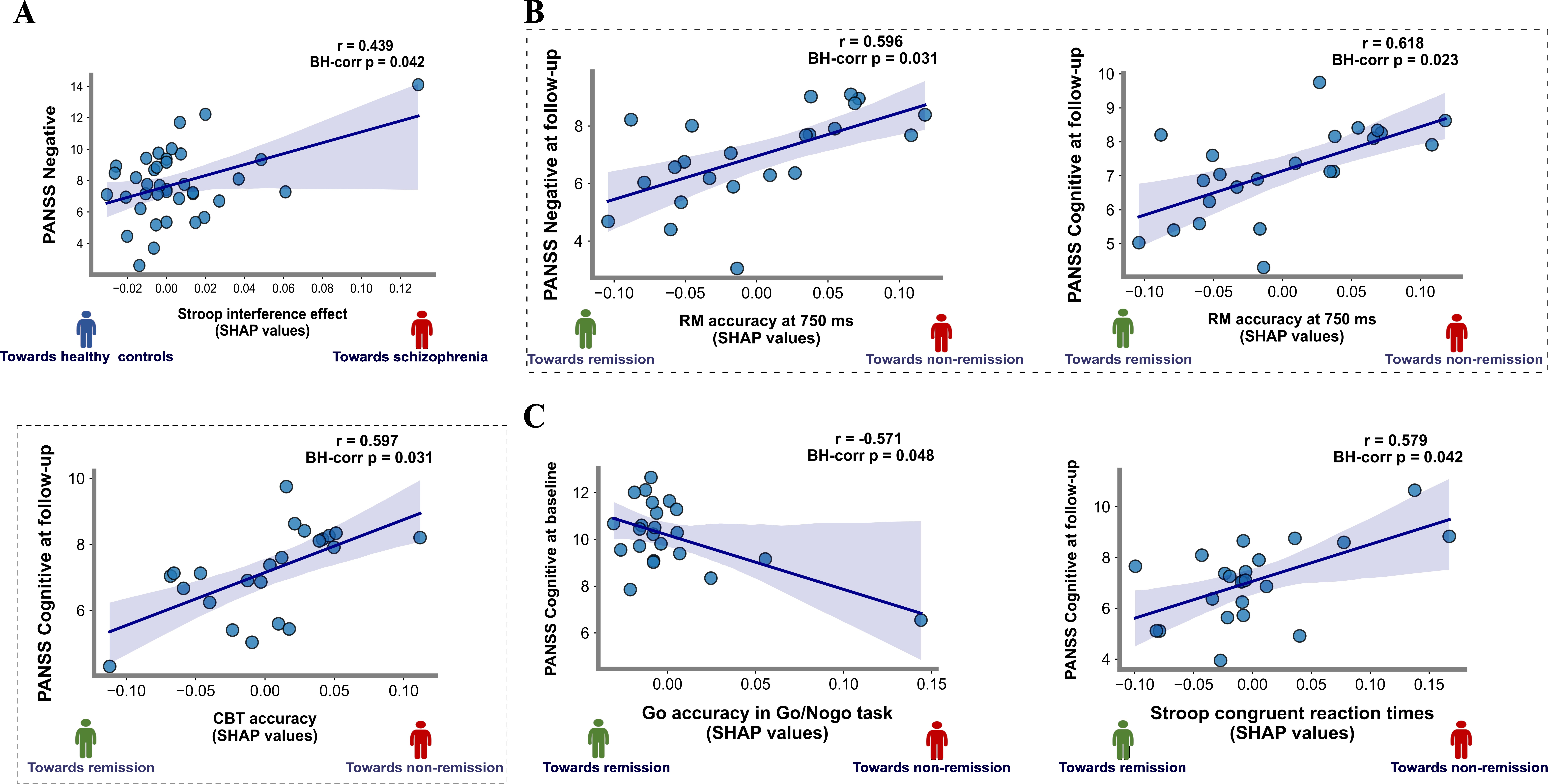
Study Design: We used classification models with a stacking approach on systematically measured EFs using 6 tasks to discriminate 195 patients with schizophrenia from healthy individuals. Baseline EF measurements were moreover employed to predict symptomatically remitted or non-remitted prognostic subgroups. EF feature importance was determined at the group-level and the ensuing individual importance scores were associated with four symptom dimensions.
Study Results: The models highlighted the importance of inhibitory control (interference and response inhibitions) or working memory in accurately identifying individuals with schizophrenia (area under the curve [AUC] = 0.87) or those in remission (AUC = 0.81). Patients who are correctly classified, in association with the contribution of interference inhibition function to our diagnostic classifier, present more severe baseline negative symptoms compared to those who are more likely to be misclassified. Also, linked to the function of working memory updating, patients who are successfully classified as remitted display milder cognitive symptoms at follow-up. Remitted patients do not differ significantly from non-remitted cases in baseline EF assessments or overall symptom severity.
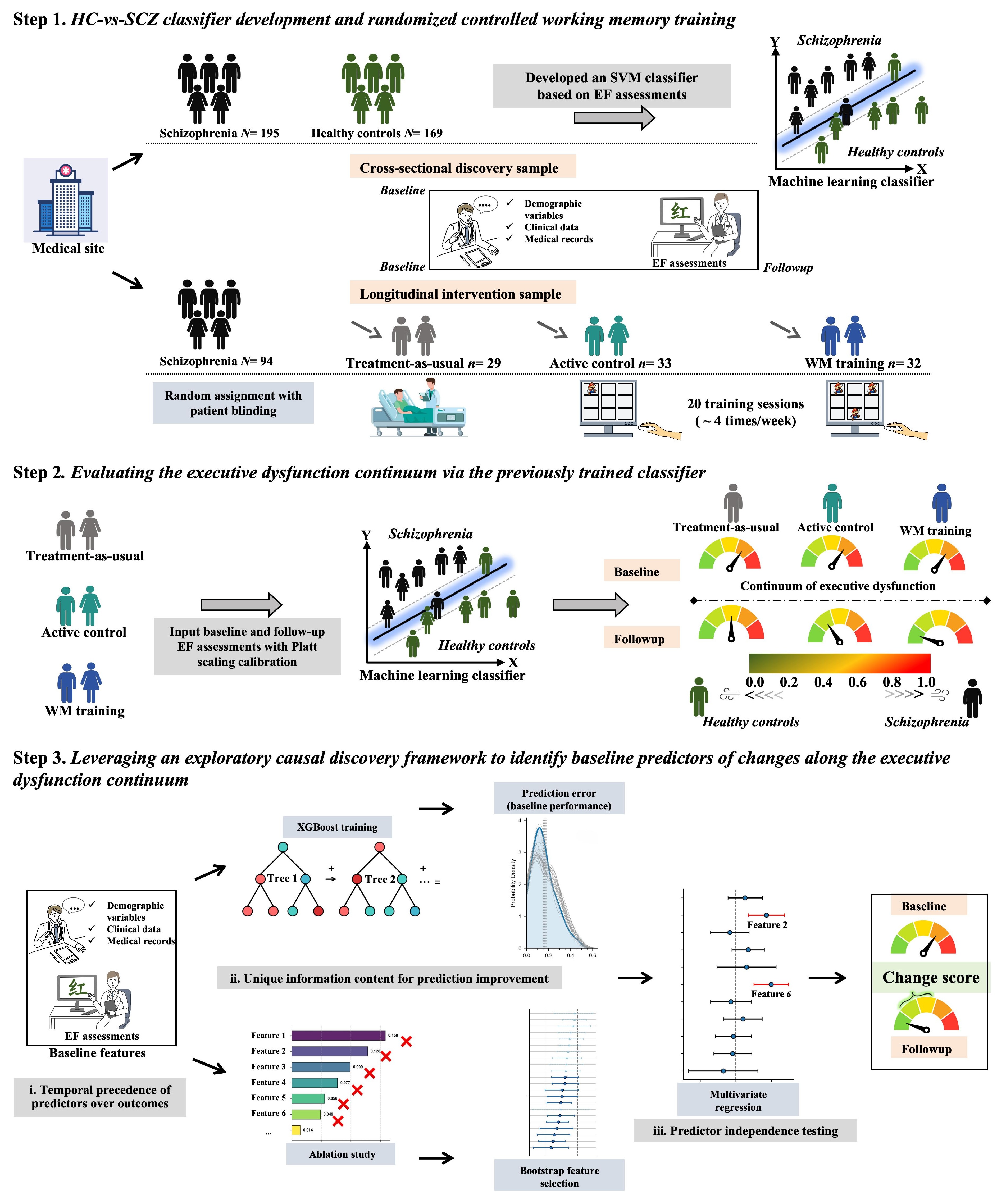
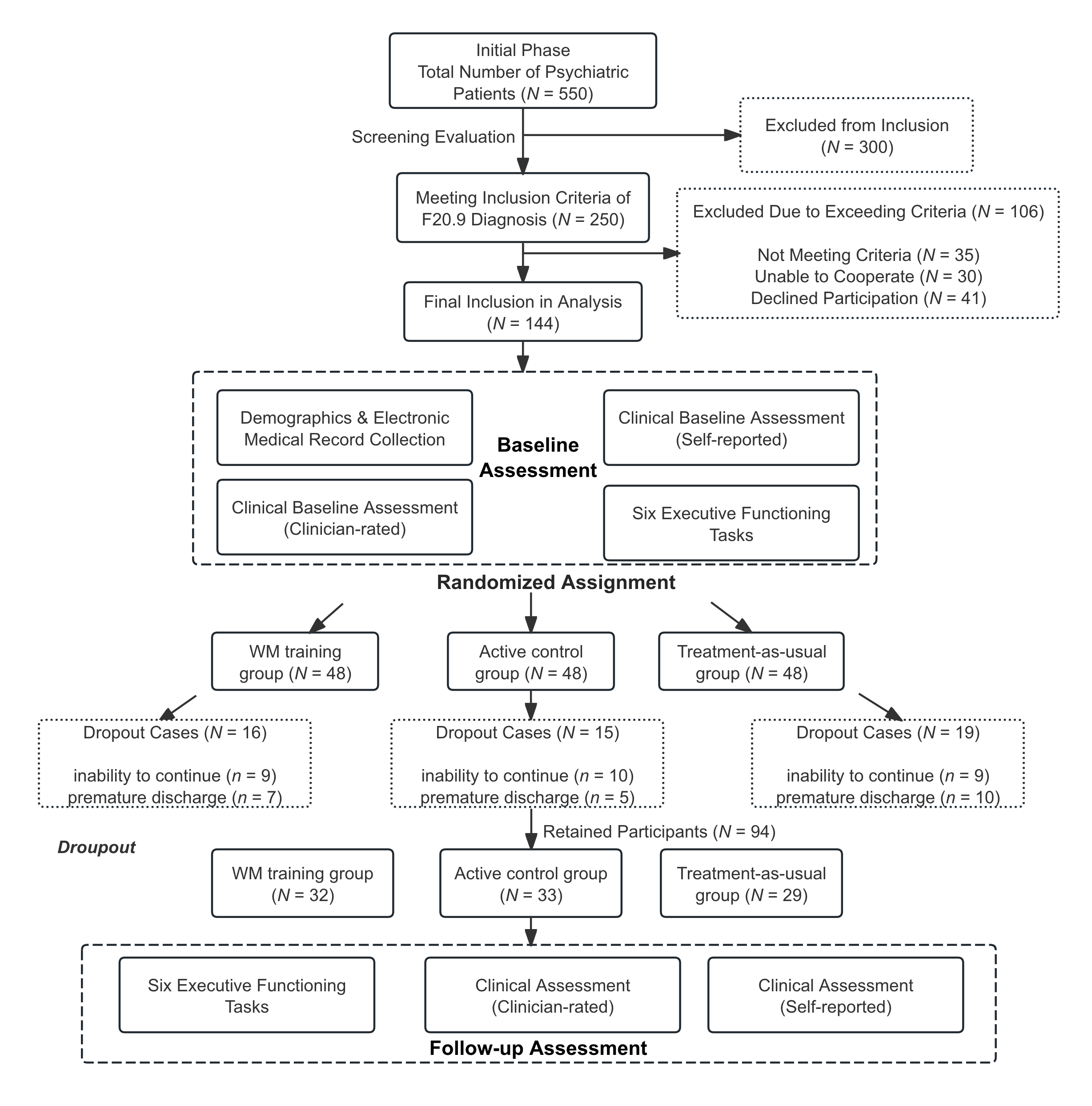
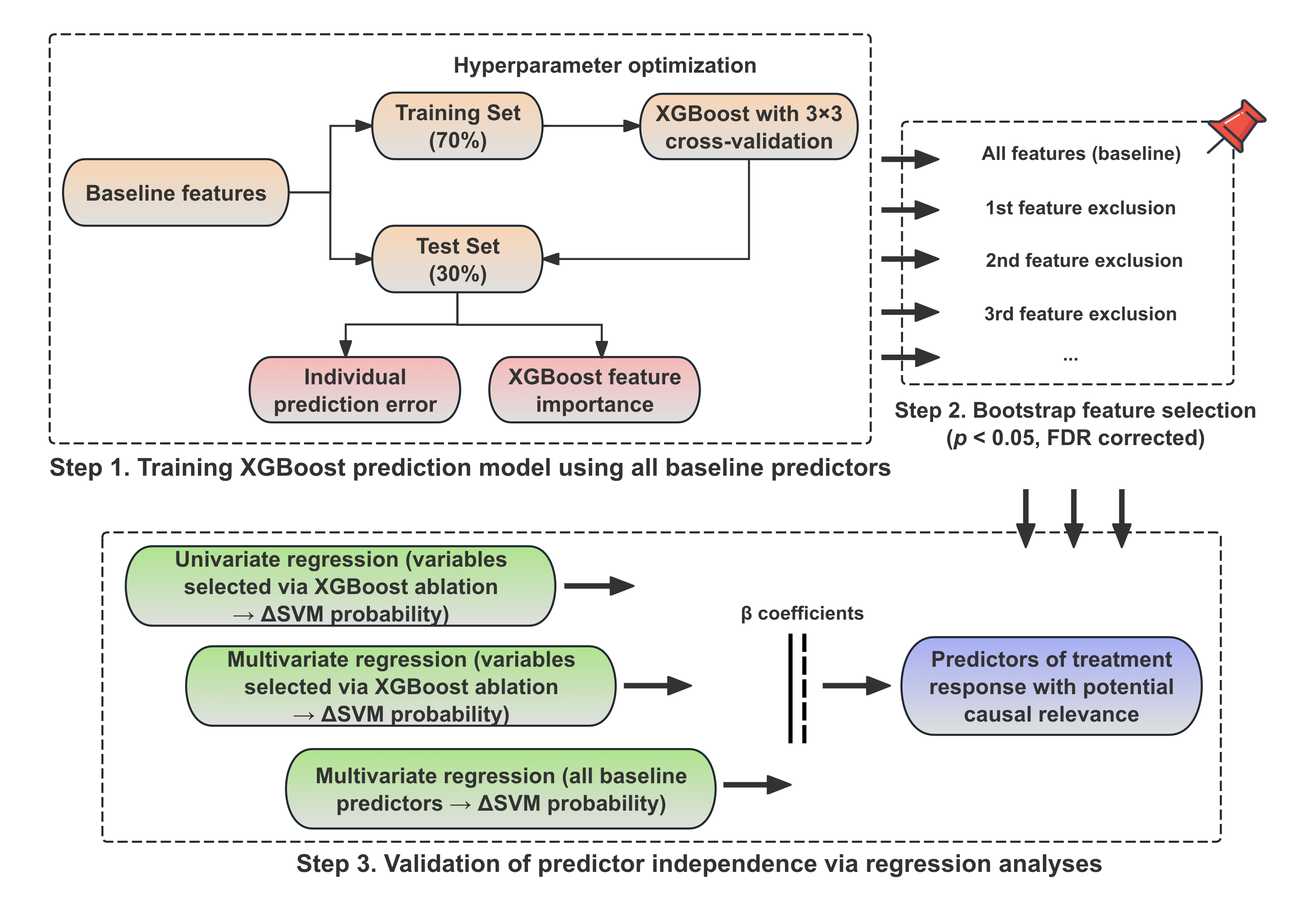
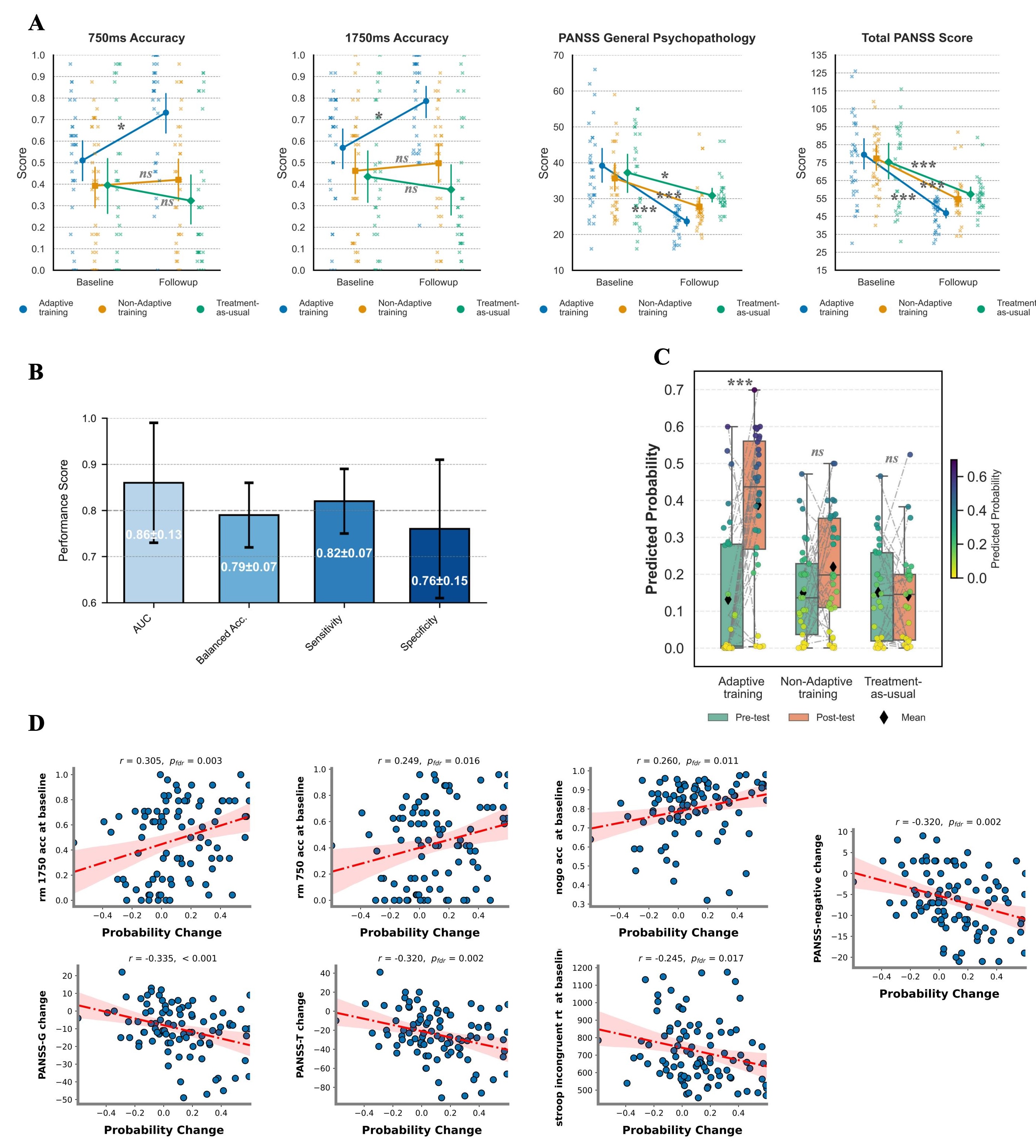
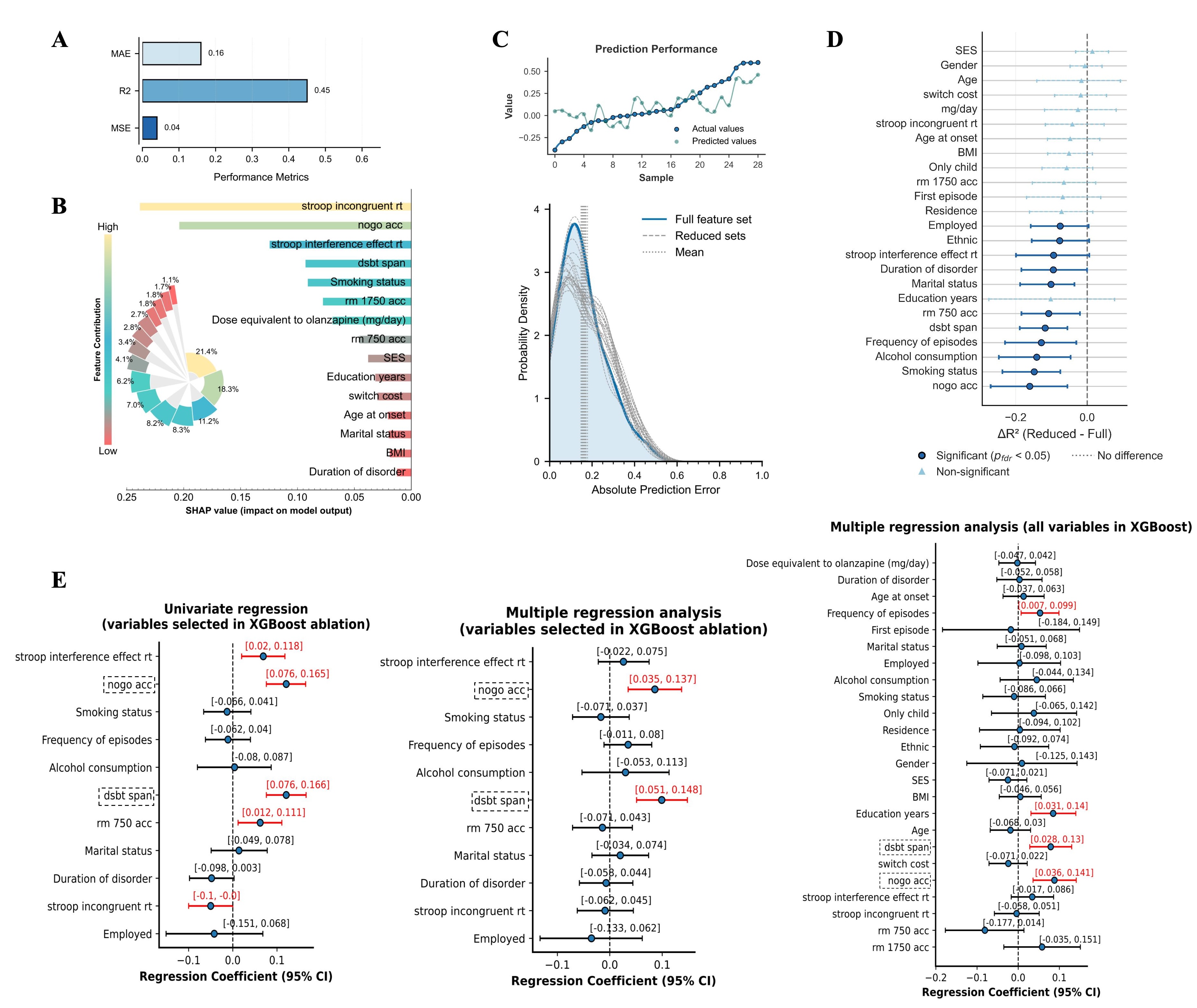
Methods: Ninety-four schizophrenia patients were randomized to adaptive N-back training (n = 32), non-adaptive 1-back control (n = 33), or treatment-as-usual (n = 29). EF was assessed across working memory, cognitive flexibility, and inhibitory control domains. A support vector machine classifier, trained on an independent sample (195 patients, 169 controls) and calibrated via Platt scaling, quantified EF profile changes. An exploratory framework based on Granger causality principles identified baseline treatment predictors.
Results: Adaptive training produced significant near-transfer effects on untrained working memory tasks and reduced general psychopathology (pfdr < 0.05), but no far-transfer effects to other EF domains. The probability of neurotypical EF classification increased substantially in the adaptive group (13.21% to 38.79%, p < 0.001), correlating with symptom reduction. Working memory maintenance and response inhibition emerged as the most robust baseline predictors of treatment response.
Conclusions: Working memory training induces meaningful shifts in EF profiles in schizophrenia, promoting movement along the psychosis-health continuum toward neurotypical functioning. The classifier-based approach provides a more refined assessment compared to traditional binary measures, while the exploratory framework identifies specific EF domains predicting treatment response with potential causal relevance. These findings warrant validation through larger, multi-center trials with extended follow-up periods.
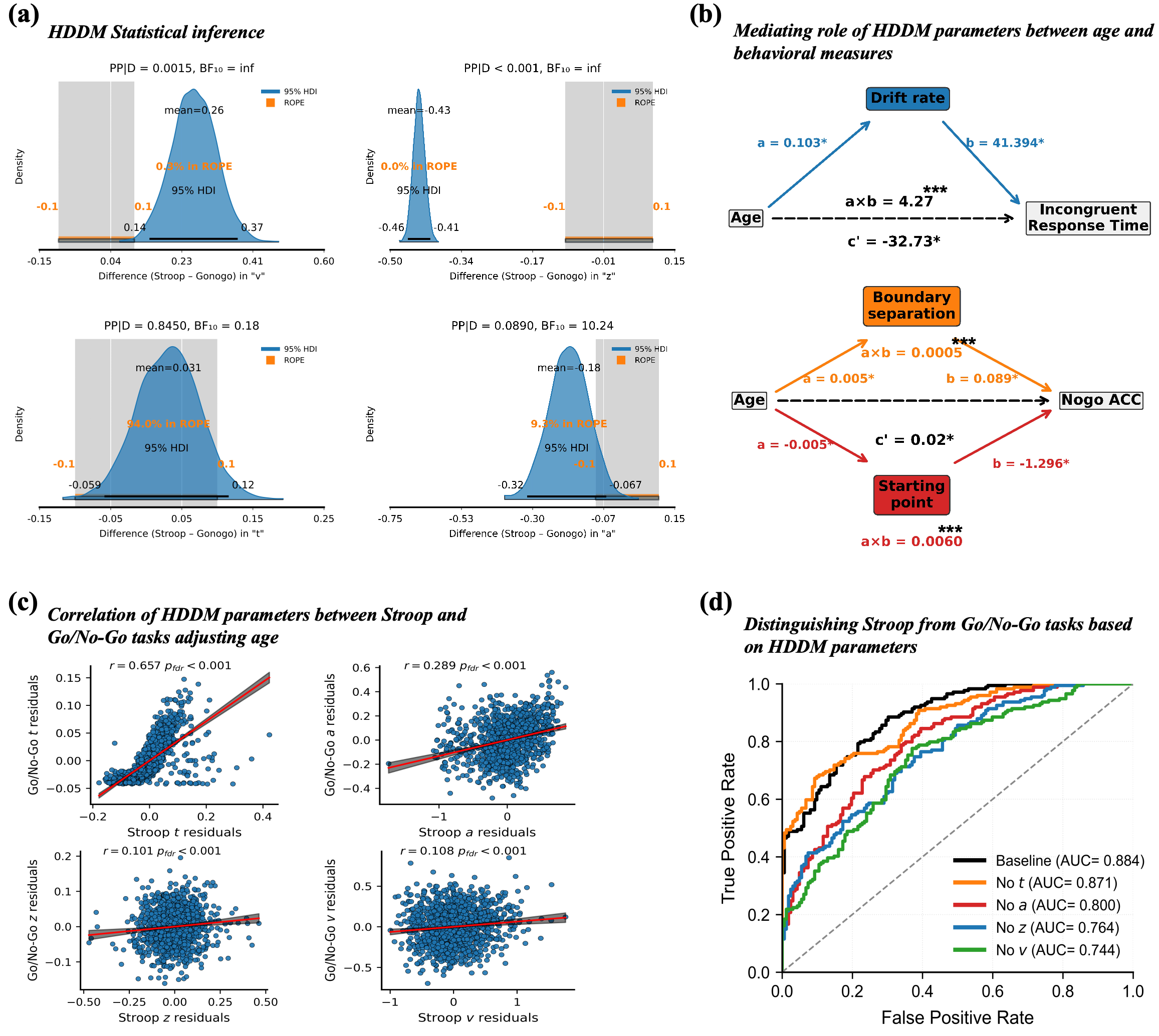
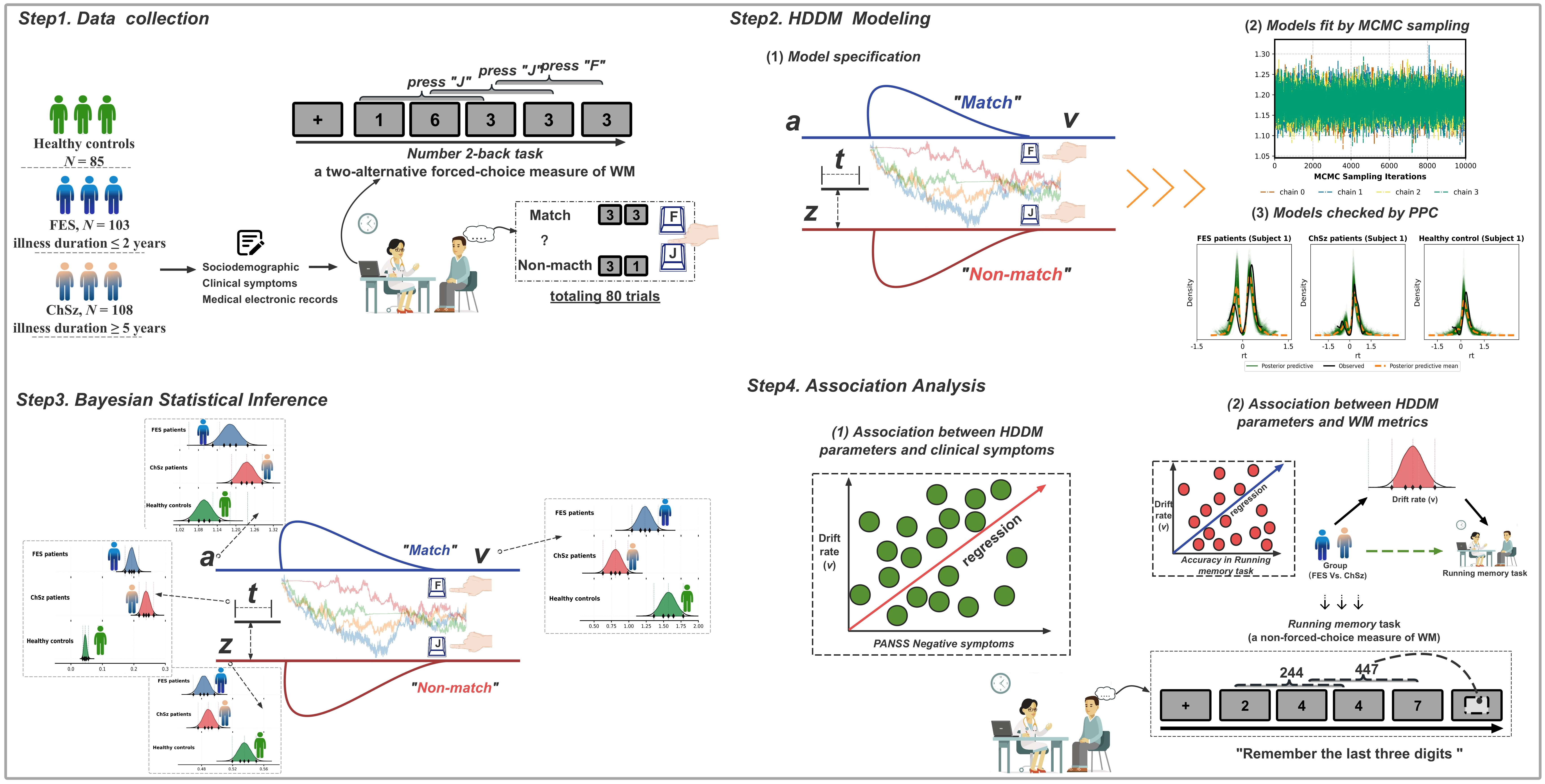
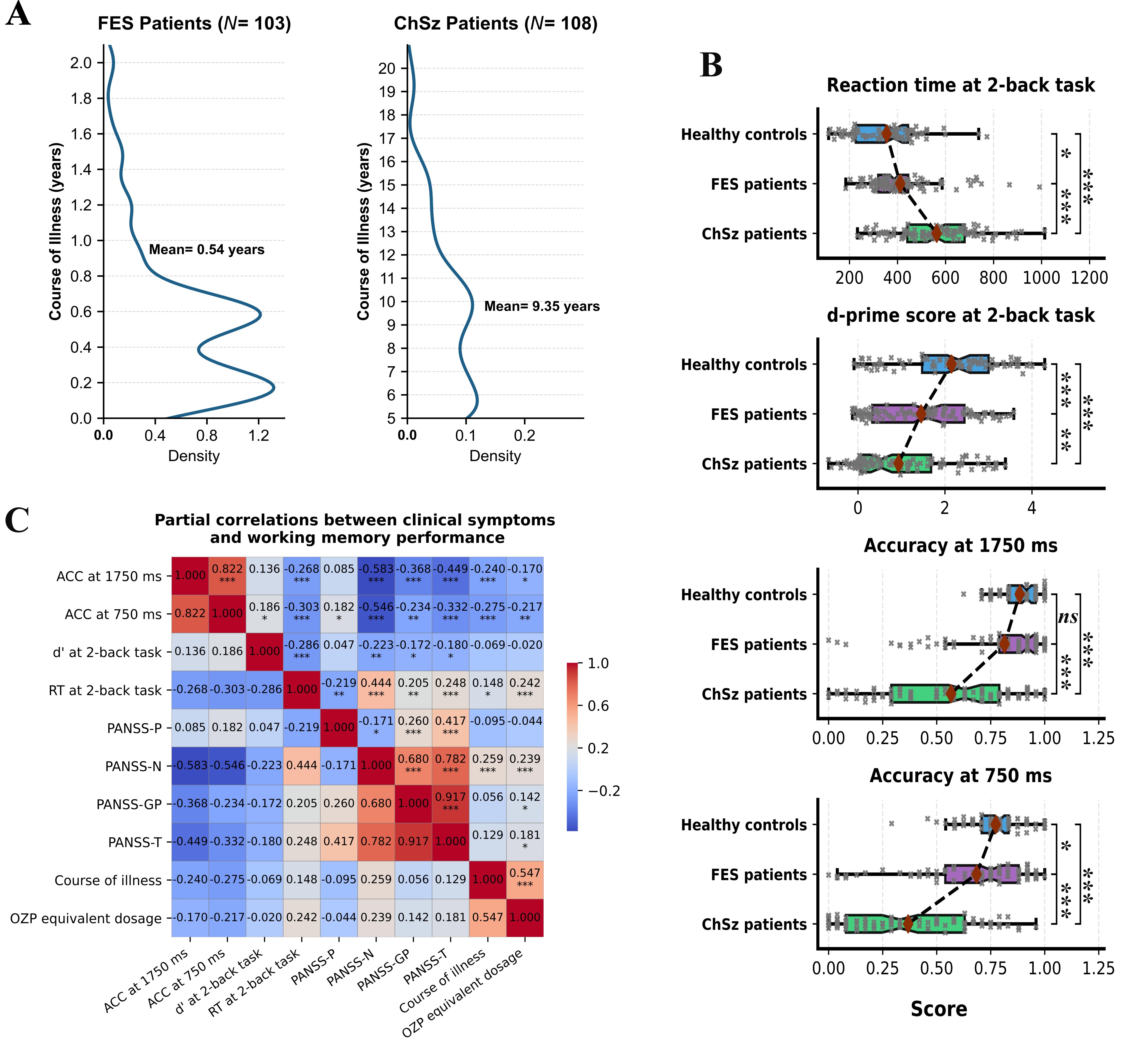
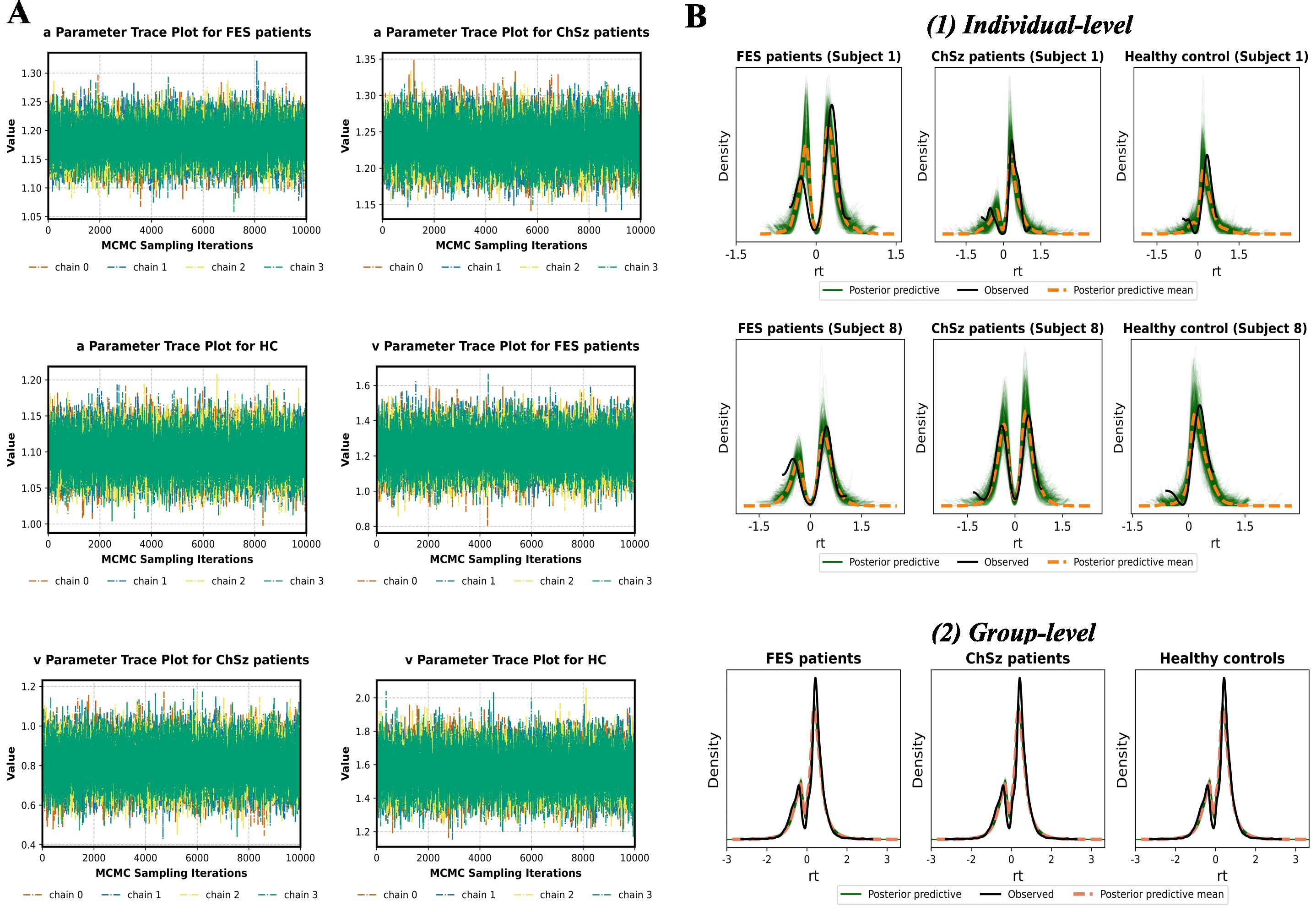
Methods: We applied hierarchical drift diffusion modeling (HDDM) to dissect latent cognitive processes underlying WM performance in a two-back task among patients with first-episode schizophrenia (FES, N = 103, illness duration ≤2 years), chronic schizophrenia (ChSz, N = 108, illness duration ≥5 years), and healthy controls (HCs, N = 85). Multiple regression and mediation analyses were conducted to examine associations between HDDM parameters, clinical symptoms, and conventional metrics.
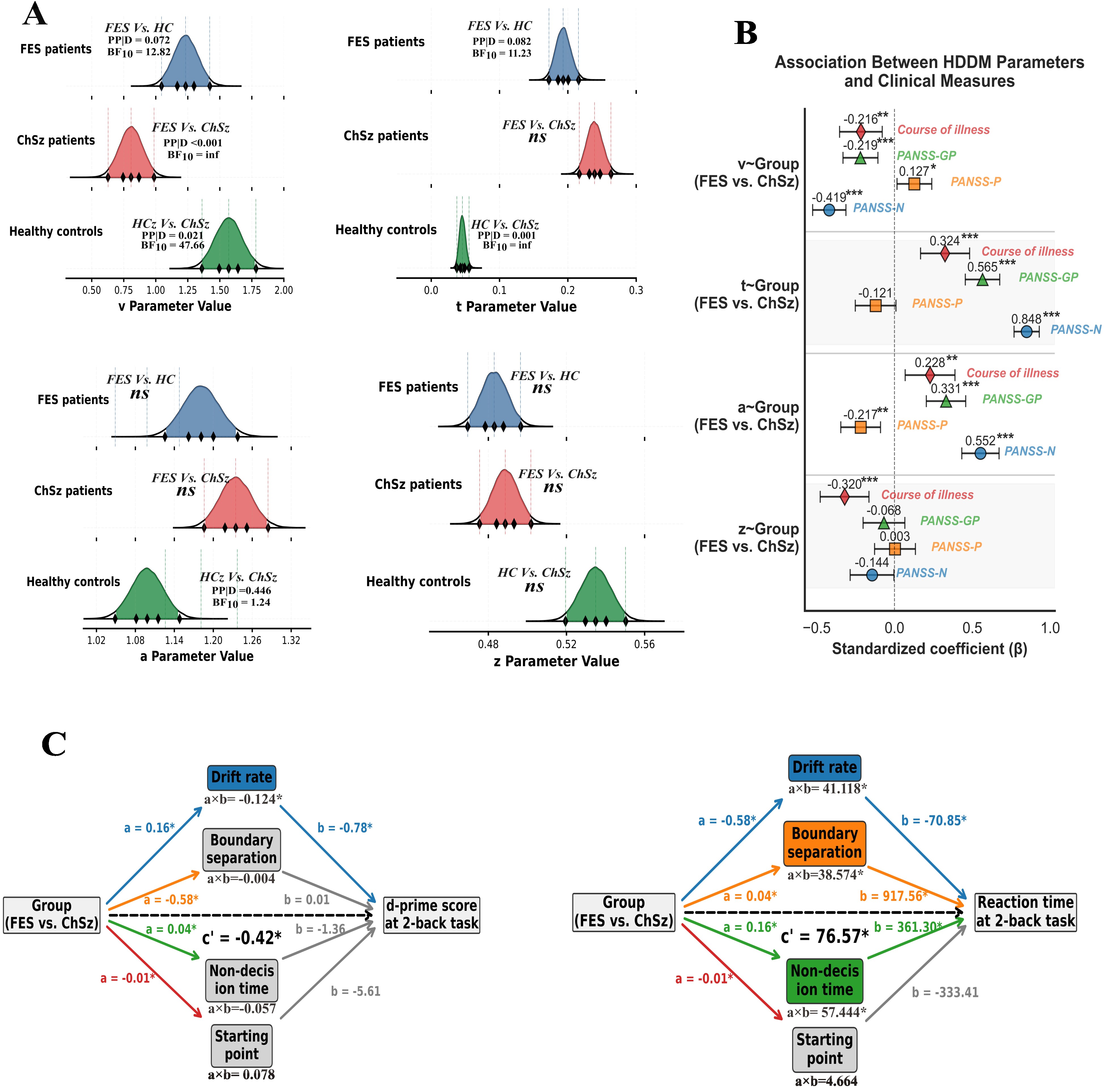
Results: Both patient groups exhibited significant WM deficits compared to HCs, with ChSz patients demonstrating more pronounced impairments than FES patients. HDDM analysis revealed that patients showed significantly reduced drift rate and prolonged non-decision time compared to HCs. Notably, while non-decision time remained comparable between FES and ChSz groups, drift rate was significantly lower in ChSz patients, mediated the relationship between illness stage and WM performance, and negatively correlated with negative symptoms and general psychopathology.
Conclusions: This study reveals distinct computational profiles of WM deficits across different stages of schizophrenia. While non-decision time impairments emerge early and persist, reduced drift rate progressively deteriorates with illness duration and is closely linked to specific clinical symptoms. These findings enhance our understanding of WM dysfunction across illness stages and support the development of targeted cognitive interventions tailored to illness stage and symptom severity.
Collaborative Publications
2. Conference Presentations
Joint ESCoP-CoPM Meeting 2026
- Format: Oral presentation (Accepted)
- Date: September 2026
- Location: Zhejiang University, Hangzhou, China
2026 Tsinghua University Department of Psychology and Cognitive Sciences PhD Forum
- Format: Poster presentation Download Poster (PDF)
- Date: April 2026
- Location: Tsinghua University, Beijing, China
Lanzhou Third People’s Hospital Academic Lecture
- Topic: Application of AI and Cognitive Modeling in Executive Function Research in Schizophrenia Download Slides (PDF)
- Date: December 5, 2025
- Location: Lanzhou Third People’s Hospital
- News Report
2025 Joint Forum on Psychology and Cognitive Science & Peking University Graduate Forum
- Format: Poster presentation Download Poster (PDF)
- Date: April 19, 2025
- Location: Peking University
Lanzhou Third People’s Hospital Academic Lecture
- Topic: Computational Psychiatry: From Theory to Practice Download Slides (PDF)
- Date: November 26, 2024
- Location: Lanzhou Third People’s Hospital
- News Report
25th National Conference of Psychology
- Format: Oral presentation at symposium Download Slides (PDF)
- Date: October 2023
- Location: Sichuan Normal University, Chengdu, China
3. Research Projects
Principal Investigator
- 2024 Provincial Graduate Innovation Star Project (No. 2025CXZX-366) (Completed December 2025)
Co-Investigator
- National Natural Science Foundation of China (NSFC) Regional Project (32260207) “Cognitive Training for Rural Children’s Executive Functions” (Participant, 2022–2025)
- National Key R&D Program (2021ZD0203800) “Brain Science and Brain-Inspired Research” Major Project: Neural Circuit Mechanisms of Attention (Task 4: Attention in Special Populations) (Participant, 2021.12–2026.12)
4. Seeking Research Collaboration
Contact
Welcome academic collaboration and exchange! For collaboration intentions or academic discussions, please contact: tyzhang9804@gmail.com
Note: As a current PhD candidate, collaborations require advisor approval
5. Research Resources
Open Code
- Stacking Model with SHAP Explanation (Download Code)
- Citation: Zhang, T., Zhao, X., Yeo, B. T. T., Huo, X., Eickhoff, S. B., & Chen, J. (2024). Leveraging stacked classifiers for multi-task executive function in schizophrenia yields diagnostic and prognostic insights. medRxiv. https://doi.org/10.1101/2024.12.05.24318587
Last updated on April 11, 2026, at 17:27:00 (GMT+8) by Tongyi Zhang, Lanzhou, China.